
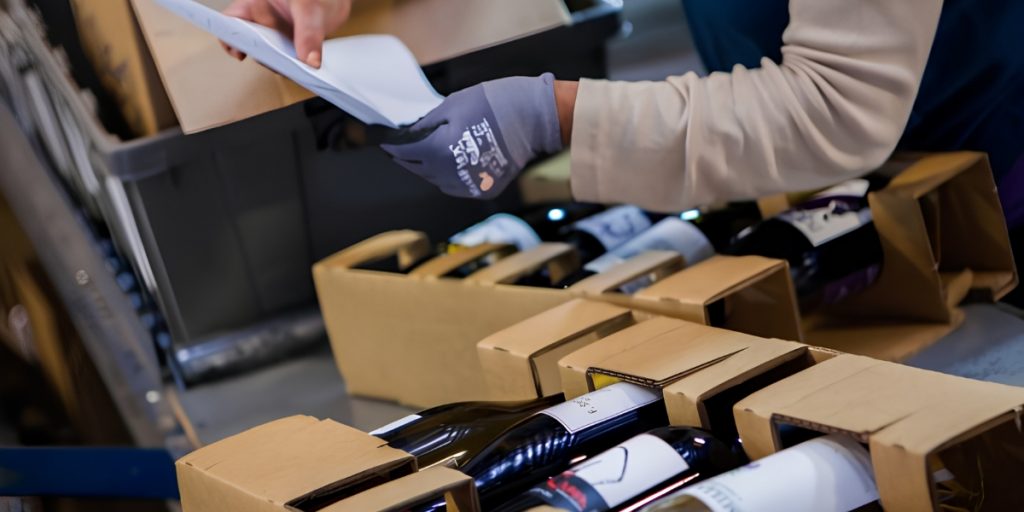
Quick Answer: Better shipping improves wine club retention by ensuring every shipment arrives on time, in good condition, and at the proper temperature. Reliable packaging, temperature protection, proactive delivery updates, and fast resolution of shipping issues help build member trust, reduce cancellations, and encourage long-term renewals. Treating shipping as part of the overall membership experience protects both wine quality and customer loyalty.
Wine club retention is closely connected to how reliably each shipment reaches a member’s door. Packaging, timing, delivery communication, and temperature control all shape how members experience the club after they join.
Shipping quality affects more than fulfillment because each delivery reflects the care behind the membership. When bottles arrive safely, on time, and in good condition, members are more likely to trust future shipments.
This article explains how better shipping practices can support stronger wine club retention over time. It also covers transit temperature, packaging choices, carrier reliability, and response steps when a shipment goes wrong.
Why Shipping Quality Directly Affects Wine Club Retention
Every shipment is a trust test. A member signs up expecting a certain experience, and the box that arrives at their door either confirms that expectation or breaks it.
Retaining an existing wine club member is consistently less costly than acquiring a new one, which is why a single preventable shipping failure carries outsized financial weight.
You already know that wine quality matters. What is easy to underestimate is how much of that perceived quality gets decided in transit, long before the member ever pulls the cork.
- A leaking bottle signals carelessness, even if the winery itself did nothing wrong
- A delayed shipment with no warning creates frustration before the member tastes a drop.
- Heat-damaged wine confirms the member’s worst assumption, that shipped wine cannot be trusted.
Why does this matter more for wine clubs than for one-time purchases? Because club members are making a recurring commitment. Each shipment either reinforces that commitment or quietly erodes it.
The First-Shipment Risk Window
New members are the most likely to cancel, and their first shipment carries the most weight of any box you will ever send them. We have found that a damaged or late first shipment does more damage to retention than the same issue happening to a member who has been with you for years.
Think of that first shipment like a first handshake. If it feels careless, the relationship starts on the back foot no matter how good the wine turns out to be.
Heat Damage and the Ideal Wine Storage Temperature
Heat-damaged wine, sometimes called cooked wine, happens when bottles are exposed to high temperatures during storage or transit. Studies in wine chemistry confirm that heat exposure rapidly degrades wine flavor and aroma profiles, pushes corks partway out, and in visible cases, leaves residue around the capsule.
Ideal wine storage temperature during shipping and storage sits between 45 and 65 degrees Fahrenheit, with 55 degrees widely cited as the target. Wine fridge storage temperature settings should reflect that same range, since inconsistent temperature swings can be almost as damaging as sustained heat.
Shipping Practices That Improve Wine Club Retention
Once you understand the connection between shipping and retention, the next question is practical. What actually changes your outcomes?
Packaging and Temperature Control
Insulated shippers and gel packs are not optional extras during warm months. They are the baseline expectation for any winery serious about wine club retention.
Consider this scenario. A mid-sized winery noticed a spike in summer cancellations year after year and assumed pricing was the cause. After reviewing member feedback, the team identified heat-damaged shipments as the real driver, switched to insulated packaging with gel packs for summer orders, and introduced a seasonal shipping hold for members in warmer regions. Within two shipping cycles, summer-related cancellations dropped noticeably, and member complaints about wine quality nearly disappeared.
Practical steps you can apply now:
- Use insulated shippers for any shipment traveling through months with sustained heat
- Offer a seasonal hold option so members can choose to delay shipment during extreme temperatures
- Store inventory at a consistent wine storage temperature before it ever reaches the shipping dock
Communication and Delivery Timing
Packaging solves half the problem. The other half is what members know about their shipment before it arrives.
Proactive tracking notifications and realistic delivery windows are an important part of effective wine club fulfillment, reducing the number of members caught off guard by a package sitting in a hot truck or on a porch for days. This does require some added coordination on your end, and it may mean adjusting your fulfillment workflow. That cost is small compared to the cost of losing a member who assumed the worst when a shipment went quiet.
- Send shipment notifications the moment a box leaves your facility
- Give members a realistic delivery window instead of a vague estimate
- Follow up quickly if a member reports a delayed or damaged shipment, before they have time to decide the club is not worth it
How to Calculate What Shipping Issues Are Costing Your Wine Club
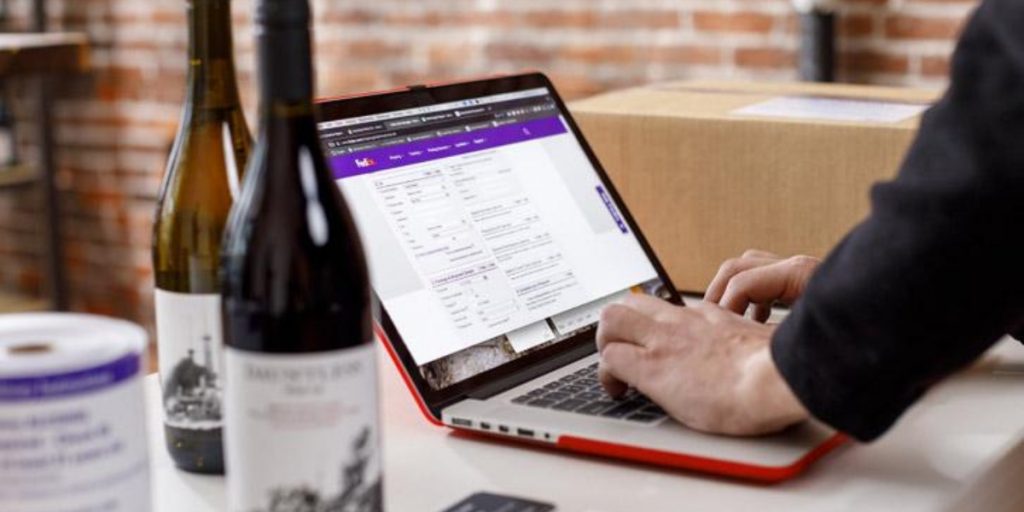
Shipping problems rarely show up on a spreadsheet as a single line item, which is exactly why they get overlooked. The cost hides across reship expenses, customer service hours, and members who simply do not renew.
The cost of one lost wine club member typically extends well beyond a single missed shipment, since it also erases every future shipment that member would have received over their remaining membership.
Putting a number on this, even a rough one, changes how much urgency your team gives to shipping improvements.
Replacement and Reship Costs
Every damaged bottle you replace costs you the wine itself, a new round of packaging, and another shipping fee. Multiply that by the number of reships your team processes in a typical summer, and the direct cost adds up faster than most club managers expect.
- Track how many reships your team issues each month and during peak heat season.
- Note how much staff time goes into handling the complaint before the reship even ships.
- Compare that total against the cost of upgrading packaging across your shipments.s
The Hidden Cost of Lost Lifetime Value
Direct reship costs are only part of the picture. The higher cost is the member who cancels quietly after a bad shipping experience and never tells you why.
Think about what one retained member is worth across a full year of shipments, not just the cost of the bottle they complained about. That comparison usually makes the case for better shipping on its own.
Choosing a Shipping Carrier That Supports Wine Club Retention
Your packaging can be excellent and still fail if the carrier handling your boxes cannot deliver on time or handle wine responsibly. Carrier selection deserves the same scrutiny you give your packaging choices.
Reliability Over Price
The cheapest shipping option is not always the one that protects your member relationships. A carrier with a pattern of delays or rough handling can undo the value of even the best insulated packaging.
- Review delivery performance during your busiest and hottest shipping months, not just average conditions.
- Ask about a carrier’s experience with wine specifically, since alcohol shipping involves handling and compliance requirements general carriers may not prioritize
- Weigh a slightly higher shipping cost against the retention value of consistent, on-time delivery.
Questions to Ask Before You Switch Carriers
Before committing to a new carrier or renewing with your current one, a short set of questions can save you from a costly mismatch.
- Can the carrier guarantee delivery windows during summer heat, or only during moderate months?
- What is the carrier’s process when a package is delayed or damaged in transit
- Does the carrier offer tracking and notification tools you can pass along to members
How to Respond When a Shipment Goes Wrong
Even with strong packaging and a reliable carrier, shipments will occasionally go wrong. How you respond in that moment often matters more to retention than the mistake itself.
Fast, Proactive Recovery
Members are far more forgiving of a mistake than they are of silence. Reaching out before a member has to complain, offering a replacement without friction, and following up to confirm the new shipment arrived safely all signal that you take their membership seriously.
We have found that clubs who resolve shipping issues within a day or two retain far more of those affected members than clubs who let a complaint sit in a queue for a week.
Turning a Mistake Into a Retention Opportunity
Here is a quick scenario. A member in a warmer climate received a bottle with a pushed cork after an unusually hot shipping week. The winery’s team reached out within hours of the member’s message, replaced the bottle at no cost, and included a short note acknowledging the seasonal shipping risk, along with an offer to automatically add the member to future seasonal holds. The member not only stayed in the club but mentioned the response positively when renewing the following year.
A well-handled shipping mistake can build more loyalty than a shipment that simply arrives without incident, because it shows the member what happens when something does go wrong.
How to Respond When a Shipment Goes Wrong
Even with strong packaging and clear communication, something will occasionally go wrong. A truck sits in the sun longer than expected, or a box gets mishandled somewhere along the route. How you respond in that moment often matters more to retention than the mistake itself.
Members who report a shipping problem and receive a fast, generous resolution frequently stay more loyal than members who never had an issue at all. Known as the service recovery paradox in customer retention, this phenomenon occurs because a fast, generous response clearly demonstrates that the winery stands behind its shipments.
A slow or defensive response teaches the member that complaints are not worth the effort. A fast, no-friction resolution teaches them the opposite, and that lesson sticks.
- Replace damaged bottles without requiring photo evidence for obvious cases like leaks or broken glass.
- Respond to shipping complaints within one business day whenever possible
- Follow up after the replacement arrives to confirm the member is satisfied, not just to close the ticket
You cannot prevent every shipping issue. You can control whether that issue becomes the reason a member cancels or the reason they tell a friend about your club.
What Better Shipping Costs You Versus What It Saves You
Upgrading packaging, adding seasonal holds, and building faster response protocols all cost money. It is fair to ask whether that investment pays off, especially for a smaller winery watching every line item.
Consider this scenario. A boutique winery calculated that a single replacement shipment, including the wine, packaging, and shipping cost, ran a small fraction of what it cost to acquire a new club member through marketing and outreach. Once the team framed shipping improvements as retention insurance rather than an added expense, the packaging upgrade paid for itself within a single shipping season.
You do not need a large operation to run this same comparison. Ask yourself two numbers: what does it cost to replace a damaged bottle and rebuild trust, and what does it cost to replace the member entirely if you do not?
- Calculate your average member lifetime value before deciding packaging upgrades are too expensive.
- Compare the cost of a proactive seasonal hold against the cost of a wave of summer cancellations.
- Treat shipping quality as a retention expense, not just a fulfillment expense, when building your budget
RELATED: The Best Time of Year to Ship Wine (And When to Avoid It)
Choosing a Shipping Partner That Protects Retention
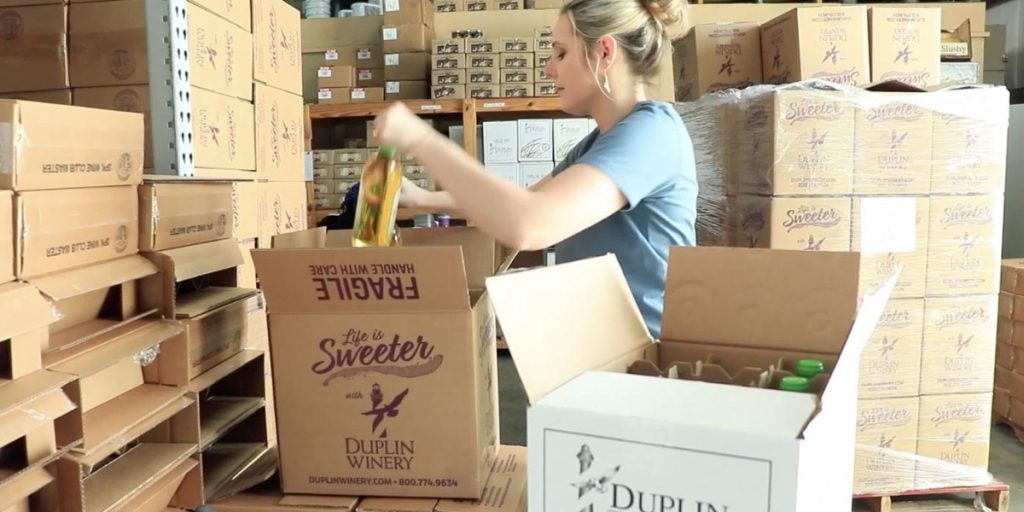
Your carrier and fulfillment partner shape the member experience just as much as your winemaking does, even though members rarely think about logistics directly.
Not every carrier handles temperature-sensitive goods the same way, and not every fulfillment partner understands the specific demands of wine club logistics and wine club shipping. A partner built for general parcel delivery may not prioritize the delivery windows or handling standards that wine actually needs.
- Ask potential partners how they handle temperature-sensitive shipments during peak summer months.hs
- Confirm whether they support delivery windows and signature options that reduce porch exposure time.
- Check whether they have specific experience with wine club shipping, not just general beverage or retail shipping.
Choosing the right partner is a one-time decision that pays off with every single shipment that follows.
Quick Reference Checklist for Retention-Focused Shipping
Use this as a fast gut check on your current process.
- Are you using insulated packaging during warm-weather months
- Do you offer a seasonal shipping hold option
- Is your storage temperature consistently within the 45 to 65 degree range
- Do members receive proactive tracking updates
- Do you have a fast response plan for damaged or delayed shipments
- Does your shipping partner have specific experience with wine club shipping
- Have you calculated what a replacement shipment costs against what a lost member costs
If you answered no to more than one of these, your shipping process is likely costing you members you never even hear complaints from. Many members simply cancel quietly rather than reporting a problem.
Improve Wine Club Retention With Better Shipping Support
Wine club retention depends on more than the quality of the wine inside the bottle. Packaging, temperature protection, delivery timing, tracking updates, and fast response when something goes wrong all shape how members feel about each shipment and whether they continue renewing.
For wineries, improving the shipping process can help reduce heat damage, delayed deliveries, replacement shipments, customer complaints, and quiet cancellations. Treating shipping as part of the member experience helps protect both the wine and the long-term value of every club relationship.
Need help creating a more reliable wine club shipping process?
Contact All American Mail Center to discuss your wine club shipping needs. We support Napa Valley wineries with professional wine packaging, temperature-conscious wine shipping, carrier coordination, tracking support, and wine fulfillment service in Napa, along with free winery pickup within Napa Valley and shipping solutions designed to help bottles arrive safely while giving members a better delivery experience.