
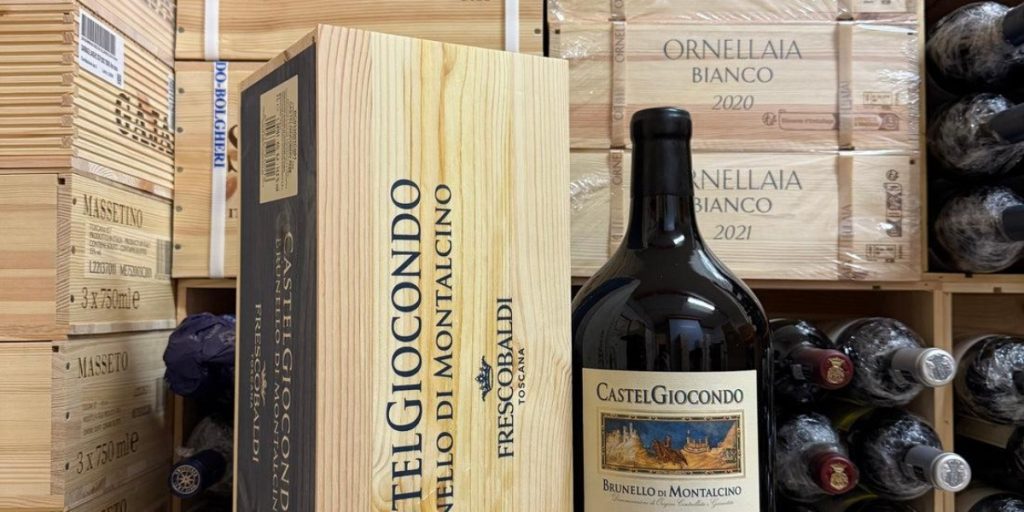
Quick Answer: Large-format wine bottles such as magnums and jeroboams can be shipped safely when they are packed in appropriately sized protective packaging that prevents movement. Because these bottles are heavier and wider than standard 750 ml bottles, shipping requires extra attention to cushioning, temperature, carrier limits, destination alcohol rules, declared value, and adult-signature requirements.
Shipping a large-format wine bottle requires more planning than sending a standard 750 ml bottle. Magnums, jeroboams, and other oversized formats are heavier, wider, and more vulnerable to movement inside the box, which means ordinary wine packaging may not provide enough protection during transit.
The challenge isn’t just preventing breakage. You also need to consider bottle size, carrier restrictions, alcohol shipping rules, temperature exposure, adult signature requirements, and the extra cost of heavier or oversized packaging. A bottle that is packed too loosely or sent with the wrong service can quickly turn an expensive gift or collectible into a damaged wine shipment.
In this guide, you will learn how to ship large-format wine bottles safely, which packaging methods work best, what to check before choosing a carrier, and how shipping costs can change with bottle size and weight. Whether you are sending a magnum, jeroboam, or another specialty bottle, these steps can help you reduce risk and plan the shipment with more confidence.
What Are Large Format Wine Bottles – Sizes, Names and Volumes
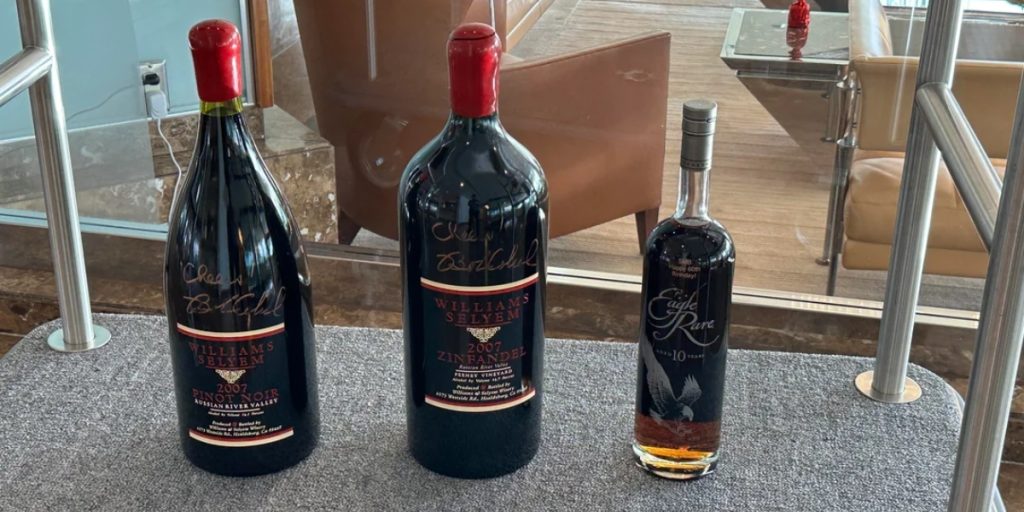
A large format wine bottle is any bottle holding more than the standard 750 ml. Knowing the names helps you buy, pack, and ship the right size.
Key insight: A magnum holds 1.5 liters, the same as two standard bottles, and every bigger format scales up from there.
| Name | Volume | Standard bottles |
|---|---|---|
| Magnum | 1.5 L | 2 |
| Double magnum | 3 L | 4 |
| Jeroboam (Champagne, Burgundy) | 3 L | 4 |
| Jeroboam (still Bordeaux) | 4.5 L | 6 |
| Imperial or Methuselah | 6 L | 8 |
The Jeroboam Mix-Up
Names change by region. A jeroboam is 3 liters in Champagne and Burgundy but 4.5 liters for still Bordeaux wines.
Consider this scenario. A gift buyer orders a “jeroboam” for a wedding toast and assumes it matches the 3-liter bottle from a friend’s party. The 4.5-liter bottle arrives and doesn’t fit the display stand. Checking the volume in milliliters before ordering would have prevented the problem.
Sizing is the easy part. Shipping is where these bottles get difficult.
Why Do Large Format Wine Bottles Need Special Shipping Care?
Think of a standard wine shipper as a rowboat and a jeroboam as a grand piano. The same container won’t carry both. Heavy glass, a tall neck, and a wide base create stress points that standard inserts weren’t built for.
Key insight: A filled magnum weighs roughly 2.5 to 3 kg (about 5.5 to 6.5 lb), around double a standard bottle.
You face three main risks:
- Weight shifting inside a box that’s too big
- Temperature swings that stress the cork and the wine
- Vibration and drops during handling
Here’s a quick scenario. A collector ships a magnum in a box sized for a standard bottle plus loose paper; the bottle shifts on the first turn of the delivery truck, and the base cracks. Had the box been snug, the bottle couldn’t have moved.
What happens if your box is just two inches too big? In our experience, a bottle moving inside its packaging causes more damage than the drop itself.
How to Ship Large Format Wine Bottles in 6 Steps
Here is the method we follow. Each step includes the reason behind it so that you can adapt it to your bottle.
Steps 1 and 2 – Prepare Before You Pack
- Confirm destination rules and delivery. Alcohol laws vary, and an adult usually must be home to sign.
- Choose packaging sized for the bottle. A snug fit leaves no room for movement.
Key insight: Carriers bill by the greater of actual weight or dimensional weight, which is based on box volume. An oversized box can cost more than a heavy one.
Steps 3 and 4 – Protect and Control Conditions
- Cushion and immobilize the bottle. Use molded foam, pulp, or a wooden case, and add a sealed bag in case of leaks.
- Control temperature and timing. Check the forecast at both ends and avoid weekend holds in warehouses.
Consider this scenario. A winery packs magnums for club members during a July heat wave. Instead of standard shipping, the team picks insulated packaging and a mid-week ship date. Every bottle arrives cool and intact, and members keep their membership.
Tip: Place a “fragile, this side up” label on at least two sides of the box.
Steps 5 and 6 – Send and Settle
- Label, insure, and pick the right carrier service. Declare the full value, because standard coverage often falls short for collectible bottles.
- Let the wine rest before opening. Travel can briefly mute flavors, a short-lived effect often called bottle shock.
Key insight: Commonly cited guidance from wine retailers and sommelier educators runs from a couple of days for young wines to about two weeks for older or fragile bottles.
Pre-ship checklist:
- Volume confirmed in milliliters
- Box fits snugly with no loose space
- Adult signature arranged
- Weather checked at both ends
- Value declared and insured
Can You Ship a Jeroboam or Other Specialty Wine Bottles?
Sometimes, but not with every carrier. The biggest formats often hit size and weight limits that standard services quietly impose.
Carrier Size and Weight Limits
Every carrier publishes its own maximum dimensions and weights. A 4.5-liter or 6-liter bottle in protective packaging may exceed parcel limits and need freight or a service that handles alcohol. Check each carrier’s current policy page before you buy packaging.
Alcohol Shipping Rules
Key insight: In the United States, major carriers generally accept alcohol only from licensed shippers and require an adult signature from someone 21 or older. Rules differ by state and country.
Here’s a quick scenario. A gift buyer tries to ship a magnum to a friend through a standard consumer counter and is turned away. A licensed shipper then handles the paperwork and the delivery. The gift arrives on time, and the buyer never has to deal with regulations.
This is general guidance, not legal advice. Confirm current rules for your destination before you ship. We’ll also tell you plainly if a size or destination is outside what we handle, including over-sized bottles that exceed carrier limits, destinations with alcohol shipping restrictions, or shipments that require a specialized licensed alcohol shipping service.
Are Large Format Wine Bottles Worth the Cost?

Fair question. A big bottle of wine costs more to buy, pack, and ship than two standard bottles.
Key insight: Wine professionals widely believe larger bottles age more slowly because less oxygen touches the wine relative to its volume. Some collectors consider the effect overstated when storage conditions vary.
Pros and Cons at a Glance
| Benefit | Trade-off |
|---|---|
| Strong presentation | Higher price per ounce in many cases |
| Slower aging | Needs stable storage |
| Serves a crowd | Harder to pour and chill |
Consider this scenario. A host buys one magnum for a party of twelve instead of two standard bottles. The table gets a centerpiece, and the toast becomes a moment guests remember. The extra shipping cost was small compared with the impact.
When a Standard Bottle Makes More Sense
If you’re drinking alone, the guest list is small, or you can’t store a large bottle after opening, a standard bottle is the practical choice. Large formats reward a gathering or a long cellar plan.
Ship Large-Format Wine Bottles With the Right Protection
Large-format wine bottles need more than standard packaging. Magnums, jeroboams, and specialty bottles are heavier, wider, and more vulnerable to shifting, breakage, temperature changes, and carrier handling issues during transit.
The right shipping process depends on the bottle size, destination rules, packaging fit, carrier requirements, adult-signature delivery, declared value, and weather conditions at both ends. Careful planning can help protect collectible bottles, special gifts, wine club shipments, and event wines from avoidable damage or delays.
Need help shipping a magnum, jeroboam, or specialty wine bottle safely?
Contact All American Mail Center to discuss your large-format wine shipping needs. We support Napa Valley wineries, collectors, and wine buyers with professional wine packaging, oversized bottle protection, domestic and international wine shipping, adult-signature delivery support, carrier coordination, tracking assistance, free winery pickup within Napa Valley, and temperature-conscious shipping solutions designed to help your wine arrive safely and professionally.