
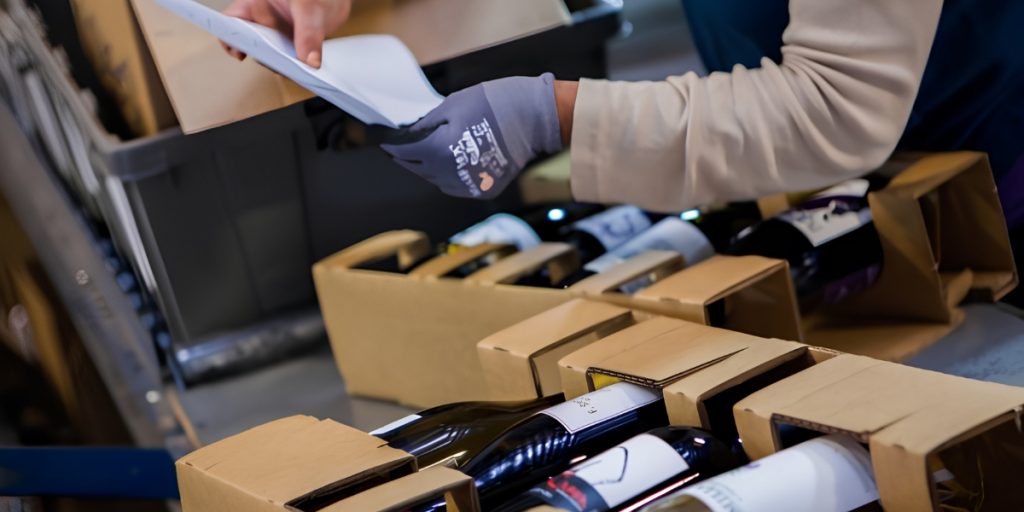
Quick Answer: Wine club fulfillment is the complete process of preparing, packing, and delivering recurring wine club orders from the winery to each member. It includes inventory management, order processing, quality control, compliance with wine shipping regulations, and delivery coordination to help ensure every shipment arrives accurately, safely, and on time. A well-organized fulfillment process reduces shipping errors, improves operational efficiency, and creates a more consistent experience that encourages long-term wine club member satisfaction.
Understanding wine club fulfillment is essential for wineries that want to deliver recurring orders accurately, efficiently, and consistently. A well-managed fulfillment process helps coordinate inventory, packing, compliance, and shipping from the winery to each member.
Wine club fulfillment extends beyond preparing boxes for shipment. It includes order processing, inventory management, quality control, regulatory compliance, and delivery coordination that support a reliable member experience.
This explains how wine club fulfillment works behind the scenes and the key steps involved in every shipment. It also explores common operational challenges, fulfillment options, and best practices for improving accuracy, efficiency, and customer satisfaction.
What Is Wine Club Fulfillment, Exactly
Wine club fulfillment is the end-to-end process of getting a member’s order from your inventory into their hands. It is not just shipping.
A shipping label is one small piece. Fulfillment also includes:
- Matching orders against available inventory
- Picking and packing bottles accurately
- Checking state shipping compliance
- Protecting wine from heat and rough handling in transit
- Getting the package delivered on time and tracked
Think of fulfillment as the entire supply chain between your cellar and your member’s front door, not a single step in it.
How Wine Club Fulfillment Works, Step by Step

Every wine club release runs through the same core sequence, whether you handle it in-house or through a winery fulfillment service. Understanding each step makes it much easier to spot where things go wrong.
Step 1 – Order Intake and Inventory Allocation
Before a single bottle moves, the order needs to be matched against what is actually in stock. This includes checking vintage, quantity, and any custom club selections.
Allocation errors at this stage cascade into everything downstream. If inventory counts are wrong here, no amount of careful packing later fixes it.
Step 2 – Pick, Pack, and Quality Control
This is where staff physically pull bottles and pack them for transit. Quality control means checking labels, capsules, and packaging integrity before the box ever leaves the building.
We’ve found that most complaints about order accuracy trace back to this exact stage, not to the carrier. A rushed pack job during a busy release week is where mistakes get made.
Order accuracy issues caught before shipping cost almost nothing to fix. The same mistake caught after delivery costs a replacement shipment, a refund, and often the member’s confidence in your club.
Step 3 – Compliance and State Shipping Checks
Wine shipping laws vary by state, and some states restrict quantity, licensing, or carrier requirements. This step confirms a shipment is legal before it ships, not after.
Rules do change from time to time, so treat this section as a general overview rather than legal guidance, and verify current requirements for any state you ship to regularly.
Step 4 – Choosing the Right Shipping Method
This stage focuses on balancing cost, transit time, and wine protection. Faster shipping options are often perceived as the safest choice, but they do not always provide the best overall value when considering both handling conditions and expense.
Temperature-controlled shipping is often a more efficient and protective solution. It reduces exposure to extreme temperatures through insulated packaging and controlled routing, while also lowering shipping costs compared to air services. Ground shipping can reach many states reliably, making it a practical option for most wine club shipments.
Expedited air shipping remains important for destinations that require faster delivery or fall outside standard ground coverage. All American Mail Center offers both temperature-controlled ground shipping and expedited air options, allowing wineries to choose the most appropriate method based on destination, timing, and product sensitivity.
Step 5 – Tracking, Delivery, and the Member Experience
The final mile is not just logistics. It is the last impression a member has of your brand before the next release.
Clear tracking information and a package that arrives intact do more for retention than almost any marketing email you could send.
In-House vs Outsourced Fulfillment – Which Is Right for Your Club
There is no single right answer here. It depends on your volume, your team, and how much operational work you want to own.
In-house fulfillment tends to work well for smaller clubs with lower shipment volume. You maintain direct control over packing and the member experience. Still, you also absorb the costs of staffing, storage space, and staying current with compliance rules in every state you ship to.
Outsourced fulfillment through a winery fulfillment service tends to make more sense as volume grows. You gain scalability, established compliance knowledge, and negotiated shipping rates, though you give up some day-to-day control and need to vet a partner carefully.
Ask yourself this. Is your current process built to handle double your club size, or would it buckle under the pressure?
Why Order Accuracy and Timing Matter More Than You Think
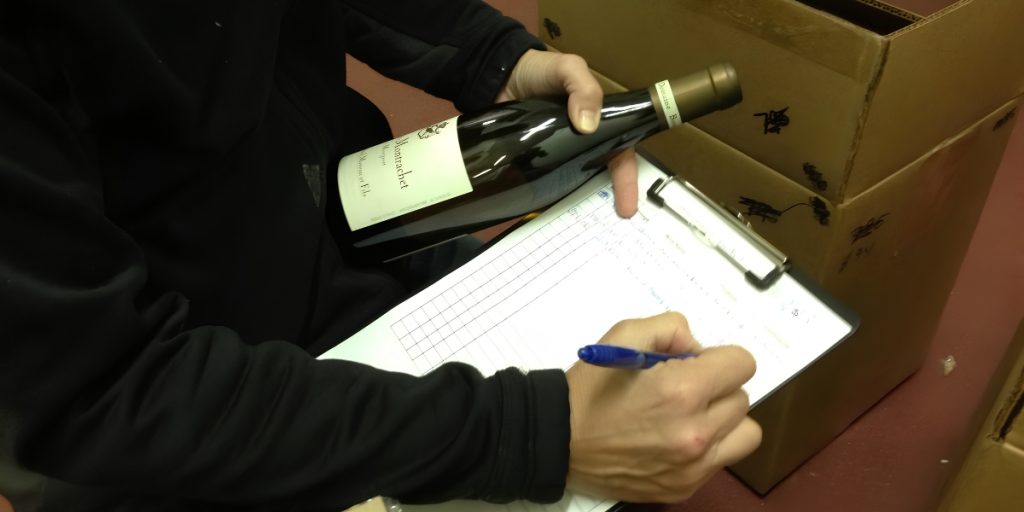
Members rarely complain loudly the first time something goes wrong. They just quietly do not renew.
Order accuracy and on-time delivery are widely recognized across direct-to-consumer wine shipping as the two biggest drivers of member retention. A single damaged or late shipment during a signature release can undo months of relationship-building.
The cost of inaction here is not always visible in a spreadsheet. It shows up later, as a shrinking club roster.
Getting Started With Winery Fulfillment Services
Wine club fulfillment is more than preparing boxes for shipment. Every release depends on accurate inventory management, careful packing, compliance with wine shipping regulations, and reliable delivery to create the experience your members expect. A consistent fulfillment process helps reduce shipping errors, protect bottles during transit, and build long-term member confidence with every club release.
Whether you’re managing a growing wine club, preparing for larger seasonal allocations, or looking to simplify your fulfillment process, having an experienced wine shipping partner can help improve efficiency while ensuring every shipment receives the attention it deserves.
Need a dependable partner for your wine club fulfillment?
Contact All American Mail Center to learn how we help wineries streamline wine club fulfillment from start to finish. We provide professional wine packing, temperature-controlled shipping solutions, inventory support, compliant direct-to-consumer wine shipping, and reliable fulfillment services that ensure every wine club shipment arrives safely, accurately, and on time.
Frequently Asked Questions
Find answers to common questions about wine club fulfillment, including what the process involves, why wineries outsource fulfillment, and how to improve shipping accuracy.