
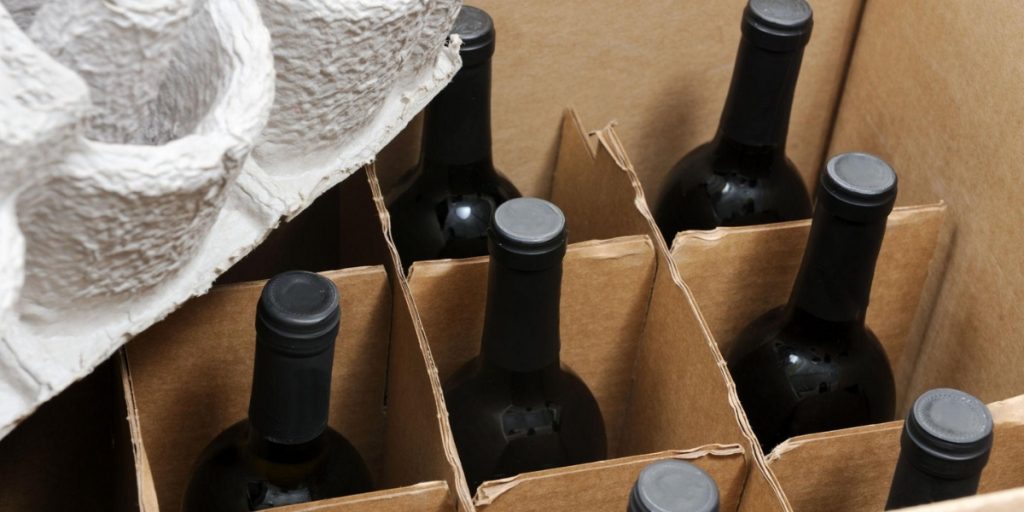
You found the perfect bottle and want it to arrive safely, so understanding the best time of year to ship wine is an important consideration. Temperature conditions during transit can affect wine quality even when packaging and handling are done correctly.
Shipping wine at the right time helps protect it from exposure to extreme heat or cold that may alter its composition. Seasonal changes and regional climates both play a role in determining when shipping conditions are more stable and predictable.
This guide explains when to ship wine, when to delay shipments, and how to manage risks during transit. It also outlines practical steps to help ensure your wine arrives in the best possible condition.
Why Temperature Is the Biggest Threat to Wine in Transit
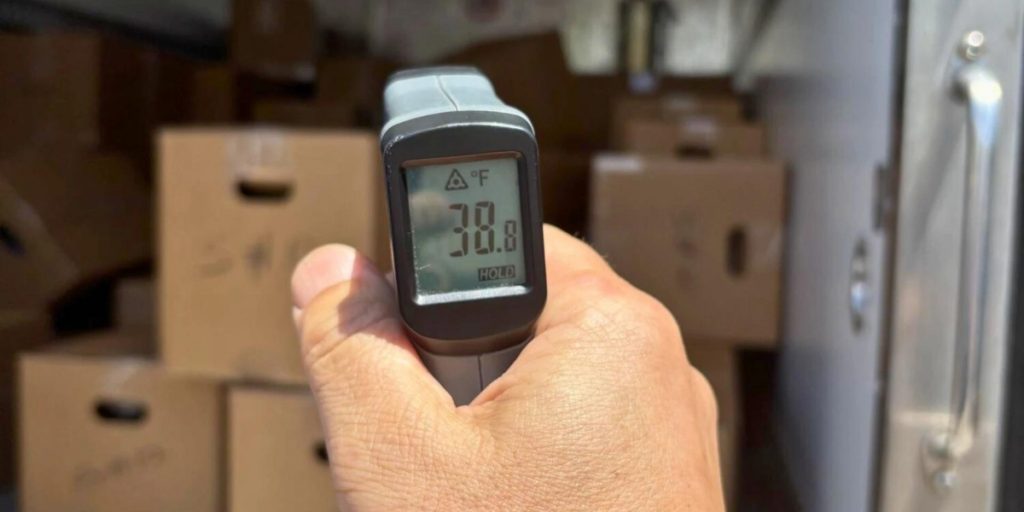
Think of wine as a living product that reacts to its environment, even inside a sealed bottle. When wine is exposed to excessive heat or cold during shipping, the damage is often invisible until you open the bottle and take that first disappointing sip.
Heat is the more common and more severe threat. Wine begins to suffer damage at sustained temperatures above 80°F (27°C). At that point, chemical reactions inside the bottle accelerate, essentially fast-forwarding the aging process and stripping the wine of its fruit, balance, and structure. The result is what the industry calls “cooked” wine: flat, stewed, sometimes with a jammy character that no amount of decanting will fix.
What surprises most shippers is how extreme transit temperatures actually get. Delivery vehicle interiors can reach 130 to 150 degrees Fahrenheit on a hot summer day, well above safe thresholds, even for short periods. And heat damage is cumulative. A wine exposed to 85°F over five days absorbs significantly more damage than one exposed during a single afternoon. That’s why ground shipping in summer is riskier than it appears. Every additional day in transit adds to the total heat load your wine absorbs.
So ask yourself this: Is the timing of your shipment giving your wine a fighting chance before it even leaves the warehouse?
Cold Weather Poses Its Own Risks
Cold receives less attention than heat, but it’s a real concern, especially for shippers in northern states or along mountain routes during winter months.
Wine can begin to freeze at approximately 23°F (-5°C), but cork displacement and leakage can occur before it reaches that temperature. As the liquid contracts in the cold, pressure changes inside the bottle can push the cork outward slightly, exposing the wine to oxygen and compromising it before you ever open it.
Rapid temperature swings create a related problem called thermal shock. When a cold bottle is quickly moved into a warm environment, the expansion and contraction stress the cork and can accelerate oxidation. The good news is that cold risk is more regional and more predictable than heat risk. If your shipment travels between mild climates in winter, the danger is lower. But if your route passes through areas with freezing overnight temperatures, cold is worth taking seriously.
The Best and Worst Times of Year to Ship Wine
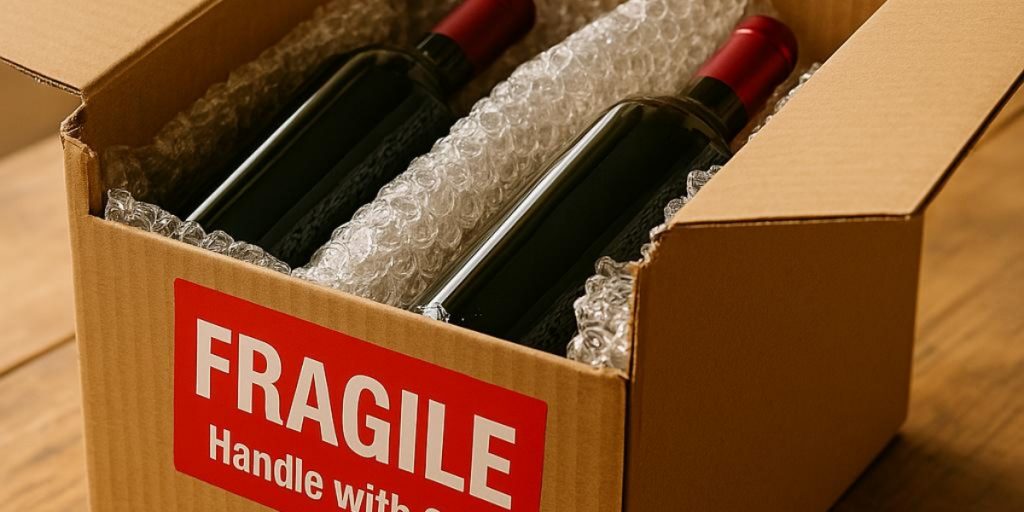
Here is a straightforward season-by-season breakdown based on our observations across thousands of shipments and on what the industry consistently recommends.
Spring (March and April): Recommended Window
Spring is one of two ideal windows for wine shipping. Temperatures across most of the country settle into a manageable range, with mild days, cool nights, and no extreme heat like summer brings. If you have scheduling flexibility, March and April are among the most reliable months to ship wine with confidence.
Summer (June through August): High Risk
Summer is when we see the most preventable wine damage. Ambient temperatures are high, delivery vehicles become ovens, and ground shipping stretches heat exposure across multiple days. Even with insulated packaging, a bottle sitting in a hot vehicle for four or five days faces a serious risk.
Consider this scenario: a collector ships two identical cases of Napa Cabernet, one in mid-October and one in late July, using the same carrier, route, and packaging. The October shipment arrives in perfect condition. The July case arrives with pushed corks, color that has shifted to the edges, and a flat, stewed flavor profile. The only variable was timing. Avoid shipping wine between June and August unless you are using expedited or temperature-controlled services.
Fall (October and November): Recommended Window
Fall is the other prime shipping window, and the one we most often recommend to our customers. Temperatures moderate across most regions, summer heat is gone, and the risk of freezing has not yet arrived. October and November consistently produce the safest conditions for wine in transit, particularly for cross-country shipments.
Winter (December through February): Proceed with Caution
Winter presents a mixed picture. Cold risk is real in northern states and along mountain routes, and the holiday shipping surge adds delays that extend your wine’s time in transit. That said, mild winter climates pose significantly less risk of freezing. If both your origin and destination are in warmer regions, winter shipping is manageable with the right precautions.
The broadly recognized safe shipping window across the wine industry runs from October through April, with October to November and March to April as the most consistently reliable months within that range.
What If You Have to Ship Wine at the Wrong Time of Year
Sometimes waiting for the ideal window isn’t realistic. A gift has a deadline, a winery is releasing an allocation, or a relocation can’t be postponed. In those cases, these steps meaningfully reduce your risk:
- Choose expedited shipping so your wine spends fewer days in transit
- Ship early in the week so your wine does not sit in a warehouse over the weekend
- Use insulated shippers with gel packs to extend your protection window during transit
- Drop off your shipment during morning hours when ambient temperatures are cooler
- Consider temperature-controlled shipping for high-value bottles, the only method that actively manages conditions throughout the entire transit chain
One detail most shippers overlook: shipping on a Monday or Tuesday is one of the highest-impact, lowest-cost steps you can take. A bottle that misses a Friday delivery can sit in a facility through the weekend, absorbing heat or cold for two additional days without anyone monitoring it.
Ship Wine with Confidence – No Matter the Season
Shipping wine successfully is not just about packaging or carriers. It comes down to timing. Understanding how temperature impacts your shipment gives you a clear advantage, whether you are sending a single bottle or an entire collection, and knowing the best time of year to ship wine can make all the difference.
Spring and fall offer the safest windows, while summer heat and winter cold introduce risks that can permanently affect your wine. When timing is not ideal, small decisions like choosing faster shipping or avoiding weekend delays can make a significant difference in preserving quality.
Need help planning your next wine shipment?
Contact All American Mail Center to get expert guidance on when and how to ship your wine safely. We help you choose the right timing, packaging, and shipping method so your bottles arrive in the same condition they left, protected, preserved, and ready to enjoy.