
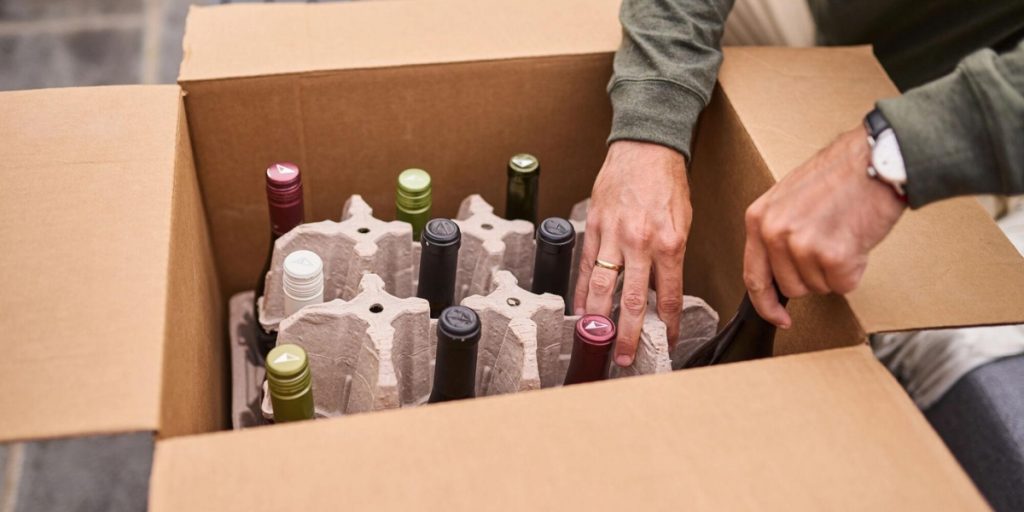
Quick Answer: Wine club shipment consolidation combines multiple wine orders into fewer shipments to help reduce duplicate shipping, packaging, and fulfillment costs. By consolidating wine club allocations, seasonal releases, and add-on purchases, wineries can simplify delivery coordination, reduce packaging waste, and improve the customer experience. With proper planning around inventory, compliance, and shipping schedules, consolidation can make recurring wine club fulfillment more efficient while helping protect profit margins.
For many wineries, wine club shipment consolidation has become an important part of managing wine clubs and direct-to-consumer (DTC) shipping. But as club memberships grow, shipping operations can quickly become more complicated, especially when customers place multiple small orders throughout the year.
A customer may belong to multiple wine club tiers, place an additional order during a seasonal release, or purchase extra bottles for a special occasion. In many cases, wineries ship each order separately, creating multiple shipments for the same customer.
While this approach is common, it can also increase shipping expenses, packaging costs, labor, and delivery complexity.
That’s why many wineries are exploring wine shipment consolidation to improve efficiency and enhance the customer experience.
What Is Wine Shipment Consolidation?
Wine shipment consolidation is the process of combining multiple wine orders into fewer shipments whenever possible.
Instead of sending several smaller boxes to the same customer, shipments can often be professionally consolidated into optimized wine shipping containers.
This may include:
- Wine club allocations
- Seasonal releases
- Add-on purchases
- Special event orders
- Additional bottle purchases
For wineries managing recurring club shipments, consolidation can simplify fulfillment operations and potentially reduce duplicate shipping and packaging costs.
Why Multiple Small Shipments Increase Costs
Shipping several small orders separately can create unnecessary operational expenses. This is particularly critical now: according to the 2026 Sovos Ship Compliant Direct-to-Consumer Wine Shipping Report, the overall DtC shipping channel contracted by 15% in volume recently, while average bottle prices rose by 11% nationally. With margins tightening and production/bottle costs increasing, wineries cannot afford to bleed profit on redundant fulfillment.
Each non-consolidated shipment may require:
- Separate packaging materials
- Additional labor and handling time
- Multiple carrier labels and tracking numbers
- Repeated adult-signature deliveries
- Extra customer service coordination
Smaller shipments are also often less cost-efficient than larger consolidated shipments.
For wineries shipping high volumes of recurring club allocations, these additional costs can add up quickly.
Benefits of Wine Club Shipment Consolidation
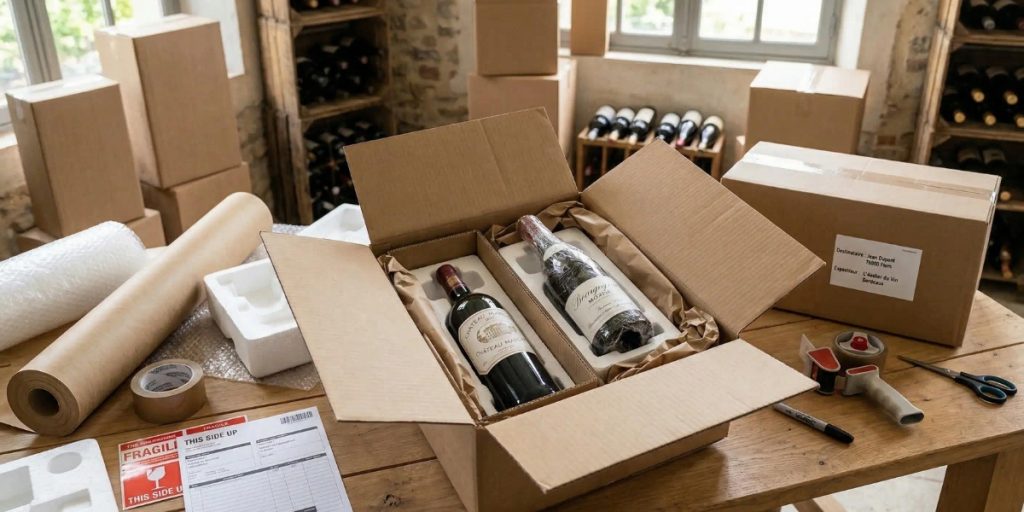
Reduced Shipping Costs
Consolidating shipments may help reduce duplicate shipping expenses by combining multiple smaller orders into fewer deliveries.
Lower Packaging Expenses
Fewer shipments typically require fewer wine shippers, insulation materials, labels, and outer packaging supplies.
Improved Customer Experience
Customers often prefer fewer shipments rather than managing several separate deliveries and tracking numbers.
Simplified Delivery Coordination
Consolidated shipments can help reduce missed deliveries, repeated attempts to obtain an adult’s signature, and confusion about shipments.
Less Packaging Waste
Combining shipments may reduce excess cardboard, insulation, and other packing materials, helping wineries improve sustainability efforts.
When Consolidation Makes the Most Sense
Wine shipment consolidation is especially useful for:
- Wineries with multiple wine club tiers
- Seasonal wine club releases
- Customers are placing add-on purchases
This operational shift is becoming essential. The 2026 Silicon Valley Bank State of the Wine Industry Report indicates that the wine market is navigating a multi-year demand correction, leaving wineries struggling with both profit margin compression and elevated inventory levels across the supply chain. As SVB Wine Division founder Rob McMillan notes, thriving in this environment requires wineries to fundamentally alter how they manage inventory and operational costs. Consolidating shipments is a direct, actionable way to protect those squeezing margins.
Challenges Wineries Should Consider
While consolidation offers advantages, wineries still need to coordinate:
- Shipment timing
- Inventory availability
- Compliance requirements
- Weather-sensitive shipping schedules
- Customer communication
This is one reason many wineries work with professional wine fulfillment and shipping providers to help manage the process efficiently.
How Third-Party Wine Shipping Services Help
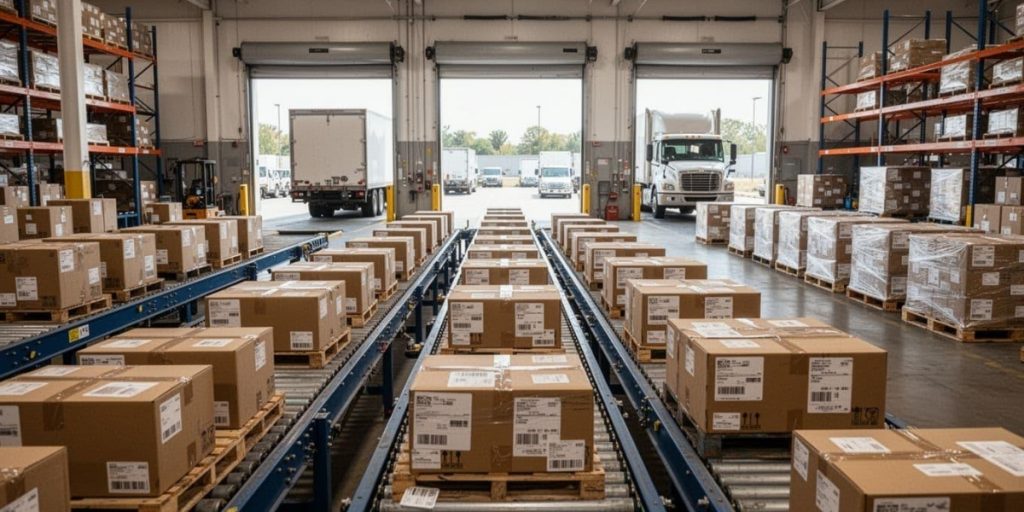
Third-party wine shipping providers can help wineries simplify consolidation logistics by handling:
- Winery pickup coordination
- Professional wine packaging
- Shipment consolidation
- Compliance support
- Tracking and carrier coordination
- Temperature-controlled shipping options
Outsourcing portions of the shipping process may help wineries reduce internal labor demands while improving fulfillment efficiency.
How All American Mail Center Supports Winery Shipments
All American Mail Center works with wineries throughout Napa Valley to help coordinate wine club, DTC, and recurring shipment fulfillment.
Services include:
- Free winery pickup services within Napa Valley
- Wine club shipment coordination
- Professional wine packaging
- Consolidated shipment support
- Domestic and international shipping
- Compliance assistance
- Temperature-conscious shipping options
By helping wineries consolidate shipments when appropriate, AAMC helps simplify wine fulfillment operations for both wineries and customers.
Simplify Wine Club Shipment Consolidation With Professional Support
Wine club shipment consolidation can help wineries reduce duplicate shipping costs, limit excess packaging, and create a smoother delivery experience for recurring members. When orders are combined strategically, wineries can improve fulfillment efficiency while making it easier for customers to receive and track their wine shipments.
For growing wineries, consolidation also requires careful coordination around inventory, compliance, weather-sensitive shipping windows, packaging, and customer communication. Working with an experienced wine shipping partner can help simplify the process while protecting the quality of every bottle in transit.
Need help consolidating wine club shipments more efficiently?
Contact All American Mail Center to discuss your winery shipping needs. We support Napa Valley wineries with wine club shipment consolidation, professional wine packaging, free winery pickup services within Napa Valley, domestic and international shipping, compliance assistance, tracking coordination, and temperature-conscious wine shipping solutions designed to reduce complexity and improve the customer delivery experience.