
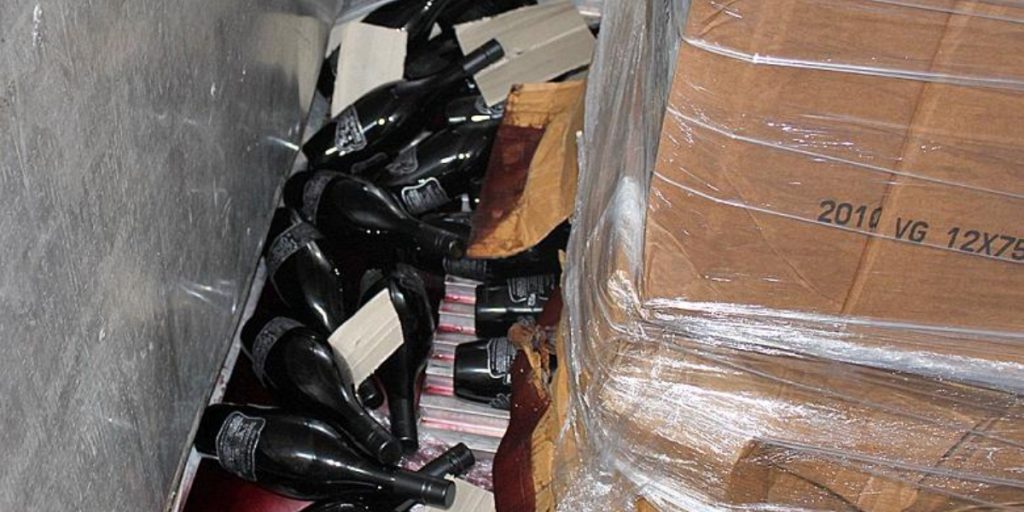
Opening a wine shipment to find broken bottles, leaking corks, or heat-damaged wine is a frustrating experience for any buyer. When this happens, understanding wine shipment damage claims becomes essential to determine responsibility and next steps.
Wine shipments can be damaged during transit due to handling issues, exposure to temperature extremes, or packaging failures. Knowing how carriers evaluate damage, what documentation they require, and how liability is assessed helps prevent delays or denied claims.
The process can be straightforward when handled correctly and within required timeframes. This guide explains how to file a claim properly, what evidence is needed, and how to reduce the risk of damage on future shipments.
Who Is Responsible for Damaged Wine Shipments?
We’ve found that one of the biggest obstacles to filing successful claims is confusion about who is responsible. Many people assume the shipper handles everything, while others think they’re stuck with the loss as the recipient.
The carrier is responsible for damage that occurs during transit. Once they accept the package from the shipper, they assume liability until it reaches your door. This means if your wine breaks during shipping, the carrier owes you compensation.
However, there’s a significant catch. Most carriers have default liability limits of just $100-500 unless you purchased additional coverage or declared a higher value. That $800 bottle of Bordeaux? Without proper insurance, you might only recover $100.
Here’s how responsibility typically breaks down:
- The shipper must package wine properly according tothe carrier’s standards
- The airline must handle the shipment with reasonable care during transit
- You (the recipient) must inspect promptly and document any damage immediately
Carriers operate under federal shipping regulations that establish a baseline level of protection for shippers. However, understanding how these apply to your specific situation requires looking at carrier contracts and any insurance policies in place.
Think of it this way: the carrier is liable, but only up to the amount you declared or insured. Without proper coverage, you’re leaving money on the table even when the damage is clearly their fault.
How to File a Wine Shipment Damage Claim – Step-by-Step
Filing a wine damage claim requires specific steps in the correct order. Skip one, and you risk denial.
Step 1 – Notify the Carrier Immediately
Call the carrier the same day you discover damage. Same-day notification protects your rights and starts the formal claims process. You can notify them by phone, through their online portal, or by having the delivery driver note the damage on the delivery receipt.
Step 2 – Preserve All Evidence Before Any Cleanup
This is critical: do not touch, move, or clean anything before documenting the damage. Keep all original packaging intact, including the outer box, inner padding, and even broken glass. Don’t clean up wine stains yet.
Consider this scenario: A wine collector received a case with two broken bottles. He immediately photographed the damage, but he’d already removed the bottles from the packaging and cleaned up the glass. The carrier denied his claim, arguing they couldn’t verify the packaging was adequate or that damage occurred in transit. That decision cost him $600.
Step 3 – Document Damage with Comprehensive Photos
Take detailed photos from multiple angles before moving anything. We’ll cover exactly what photos you need in the next section, but timing matters more than technique. Carriers want proof of how the wine arrived, not how it looked after you unpacked it.
Step 4 – Gather Supporting Documentation
Collect your purchase receipts showing wine value, shipping labels with tracking numbers, and any insurance documentation. If you have email correspondence with the shipper about packaging methods, save that too.
Step 5 – Submit Your Formal Claim
Most carriers now require online claim submission through their freight or parcel damage portals. You’ll need your tracking number, photos, receipts, and a description of the damage. Some smaller carriers still accept phone claims, but you get a claim number either way.
Step 6 – Respond to Carrier Inspection Requests
Carriers may require a physical inspection within 2-5 days of your claim. You must make the damaged items available during this window, still in their original packaging. The inspector evaluates whether the packaging was adequate and whether damage occurred in transit.
Step 7 – Follow Up and Track Progress
Claim processing typically takes 7-30 days. Check your claim status regularly through the carrier’s online portal. If you haven’t heard back within their stated timeframe, call to escalate.
Total time investment for most straightforward claims: 1-2.5 hours spread across these seven steps.
What Evidence Do You Need for Wine Damage Claims?
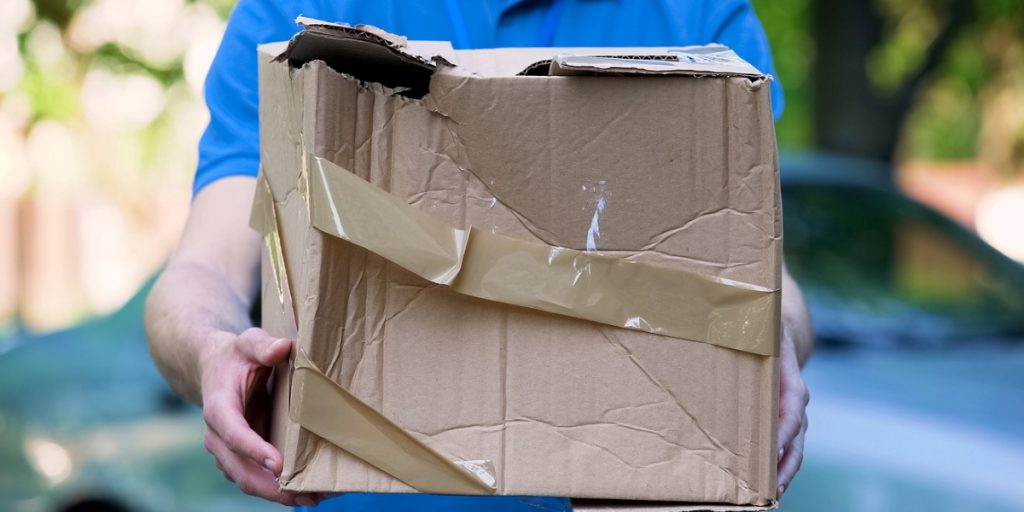
In our experience working with damaged wine claims, the single most common reason for denial is insufficient photographic evidence. Claims filed with complete photo documentation have significantly higher approval ratesthan those submitted after cleanup or with limited images.
Carriers evaluate evidence in a specific hierarchy. Understanding what they value most helps you prioritize documentation efforts.
Critical Evidence You Must Have
These items are non-negotiable for claim approval:
- Photos of damaged wine still in original packaging showing how it arrived
- Photos of outer box damage, including any crushed corners, punctures, or tears
- Photos clearly showing packing materials and howthe bottles were cushioned
- All shipping labels and tracking documentation for the package
- Purchase receipts or invoices proving the wine’s value
Here’s your photo checklist – carriers expect to see all seven of these angles:
- Outer box damage from multiple sides
- Inner packaging arrangement before disturbing anything
- Broken bottles exactly as you found them
- Close-up shots of the specific damage point
- Evidence of leaked wine (stains, pooling)
- Condition of packing materials (foam, dividers, etc.)
- Clear image of the shipping label with tracking number
Supporting Evidence That Strengthens Claims
While not always required, these items significantly improve approval odds:
- Photos from additional angles showing the full context
- Carrier delivery notation if the driver marked visible damage
- Email exchanges with the shipper about packaging methods
- Temperature tracking data for heat-sensitive shipments
- Expert appraisal letters for rare or collectible wines worth over $1,000
The difference between approval and denial often comes down to whether you documented the damage before disturbing the scene. Carriers are skeptical of claims filed after cleanup because they can’t verify your story.
Critical Deadlines – When You Must File Your Claim
Time is one of the biggest factors affecting wine damage claims. Many otherwise valid claims are rejected simply because deadlines are missed, even when there is clear evidence of damage.
Carriers enforce strict filing windows, and they rarely make exceptions, even for expensive shipments. Here’s what you’re working with:
Immediate Actions (Day 0 – Delivery Day): Inspect your shipment upon arrival. Photograph any damage immediately, even if you plan to investigate further later. Notify the carrier the same day you discover the problem.
24-48 Hour Window: Submit your formal claim within two days of discovery. While some carriers allow more extended periods, filing promptly demonstrates good faith and prevents disputes over when damage was actually discovered.
Carrier-Specific Deadlines: Most carriers distinguish between visible and concealed damage. Visible damage (crushed boxes, obvious leaks) must be noted at delivery or within 24 hours of delivery. Concealed damage (bottles broken inside intact packaging) typically allows 5-15 days for claim filing, though this varies by carrier and service level.
Insurance claims submitted through third-party providers may have different windows than those submitted to the carrier. Always check your specific policy terms.
Here’s a real scenario that illustrates why deadlines matter: a wine retailer received a shipment while at a trade show. They didn’t inspect the boxes until returning five days later, one day past the carrier’s four-day window for concealed damage. Despite clear evidence of breakage, the carrier denied the claim, citing the missed deadline. The retailer lost $2,400 because they didn’t know the clock was ticking.
When in doubt, file earlier, not later. You can always withdraw a claim if you later determine the damage is minor. You cannot, however, resurrect a claim after missing the filing deadline.
Why Wine Damage Claims Get Denied – And How to Avoid It
Understanding how carriers defend against claims helps you build an airtight case. We’ve identified five primary reasons for denial through years of processing claims, and most of them are entirely preventable.
1. Insufficient Documentation
Carriers argue they cannot verify damage occurred during transit without proper evidence. Photos taken after cleanup, images from poor angles, or missing documentation of packaging methods all trigger this defense.
Prevention: Follow the complete photo checklist before touching anything. Document the packaging’s condition to prove it met carrier standards.
2. Missed Deadlines
Late claims are the easiest denials for carriers. They simply point to their published deadlines and close the case, regardless of damage severity.
Prevention: Set phone reminders the day a shipment arrives. Inspect and file within 24-48 hours, even if you’re not sure about pursuing the claim.
3. “Inadequate Packaging” Claims
This is the carrier’s favorite defense. They argue the shipper failed to package the wine properly, shifting responsibility away from transit handling. This is why photographing the packaging condition matters so much.
Prevention: Document how bottles were packed with photos showing cushioning, dividers, and box strength. If you’re the shipper, follow the carrier’s packaging guidelines exactly and photograph your packing process.
4. Undeclared or Undervalued Shipments
If you didn’t declare the wine’s value or purchase insurance, carriers only owe their default liability limit, typically $100-500. They’re not denying your claim; they’re just paying their limited obligation.
Prevention: Understand carrier liability limits before shipping. Declare the correct value or purchase appropriate insurance for wines valued at more than the carrier’s minimums.
5. Pre-Existing Damage Arguments
Carriers sometimes claim damage occurred before they received the shipment, especially when the packaging shows no external signs of damage.
Prevention: Shippers should photograph the wine before packaging. Recipients should look for correlating outer package damage that supports your transit damage claim.
Here’s your denial prevention checklist:
- Photograph everything before any cleanup
- File within 24-48 hours of discovery
- Document packaging adequacy with photos
- Declare an accurate value or purchase insurance
- Request shipper photos of wine before packing
Wine Shipping Insurance vs Declared Value – Understanding Your Options
We’ve helped wine buyers evaluate whether shipping insurance makes financial sense, and the answer honestly depends on your specific situation. For shipments valued over $300, third-party insurance typically pays for itself if just one in every 20 shipments sustains damage, and industry data shows wine damage rates average 2-5% across carriers.
Understanding your coverage options prevents nasty surprises when filing claims.
Declared Value Explained
Declared value is the maximum amount the carrier will pay if your shipment is lost or damaged. Most carriers include a default declared value of $100-$500 in their base shipping rates.
This isn’t insurance. It’s simply the carrier acknowledging its liability up to a specific dollar amount. If you ship a $1,000 wine collection without declaring a higher value, you’ll only recover $100-500 regardless of actual loss.
Cost: Usually free up to the carrier’s default limit. Higher declared values may require additional fees.
Carrier Insurance vs Third-Party Coverage
Carrier insurance is additional coverage purchased directly from FedEx, UPS, or your shipping company. You pay a percentage of your shipment’s value (typically 2-4%) for coverage beyond the default liability limit.
However, carrier wine shipping insurance coverage often excludes temperature damage, has complex claim-filing requirements, and requires you to work through the same company that damaged your wine.
Third-party shipping insurance is provided by independent insurance providers specializing in wine and high-value shipments. These policies typically cost 2-5% of shipment value but offer broader coverage, including temperature damage that carrier policies exclude.
Third-party claims are often faster because you’re working with an insurance company, not the carrier defending against liability.
Here’s your decision framework:
| Shipment Value | Recommended Coverage |
| Under $150 | Declared value may suffice |
| $150-$500 | Consider carrier or third-party insurance |
| Over $500 | Third-party insurance is strongly recommended |
| Rare/Collectible wines | Always ensure, regardless of value |
The truth: For everyday bottles under $100, insurance costs often outweigh benefits. For wine collections, rare vintages, or shipments over $300, insurance provides essential protection and peace of mind.
Does this mean you should skip insurance on lower-value shipments? Only if you’re comfortable with the potential for losses. Insurance is about transferring risk, and only you can decide what risk level you’ll accept.
What to Do If Your Wine Damage Claim Is Denied
Not all denied claims are final. You have several options for pursuing recovery even after an initial rejection.
File an Appeal: Most carriers allow one formal appeal. Address the specific reasons cited in their denial letter with additional documentation, clarification, or evidence they may have overlooked. Most appeal windows run 30-60 days from the denial date.
Here’s a success story: A wine business had its claim rejected for “insufficient packaging.” They appealed with a detailed breakdown of their packaging process, photos of similar successful shipments, and a highlighted copy of the carrier’s packaging standards document. The appeal was approved, resulting in a recovery of $1,800.
Escalate to Management: Request a supervisor review of your claim. Sometimes, frontline adjusters apply policies too rigidly, and management has discretion to override denials. Stay professional but persistent, emphasizing how you met all published requirements.
File with Your Insurance Provider: If you purchased third-party shipping insurance, file a claim with your insurance provider, even if the carrier denied you. Third-party insurers use different evaluation standards and often approve claims that carriers reject. You paid for this protection, so use it.
Consider Small Claims Court: For high-value claims over $1,000 with strong evidence, small claims court might make sense. Court filing fees typically run $50-150, and you don’t need an attorney; however, factor in your time investment and the stress of litigation.
Be realistic about denial appeals. If you genuinely missed deadlines or lacked proper documentation, appeals rarely succeed. However, if you believe you met all requirements and the denial seems unjustified, pushing back often works.
Ship Wine With Confidence and Reduce Damage Risk
Wine shipment damage claims are stressful, time-consuming, and never guaranteed. While knowing how to file a claim protects your rights, the best strategy is to prevent damage before your wine ever leaves the store.
Proper packaging, correct box selection, and temperature-aware handling make a measurable difference in whether you safely ship wine or end up dealing with a claims process.
Need help shipping wine the right way from the start?
Contact All American Mail Center for professional wine shipping support. We help select the right wine shipping boxes, packing materials, and seasonal safeguards so your bottles travel securely and arrive as intended. Whether you’re shipping a single bottle or a full case, we help you minimize risk and ship with confidence.