
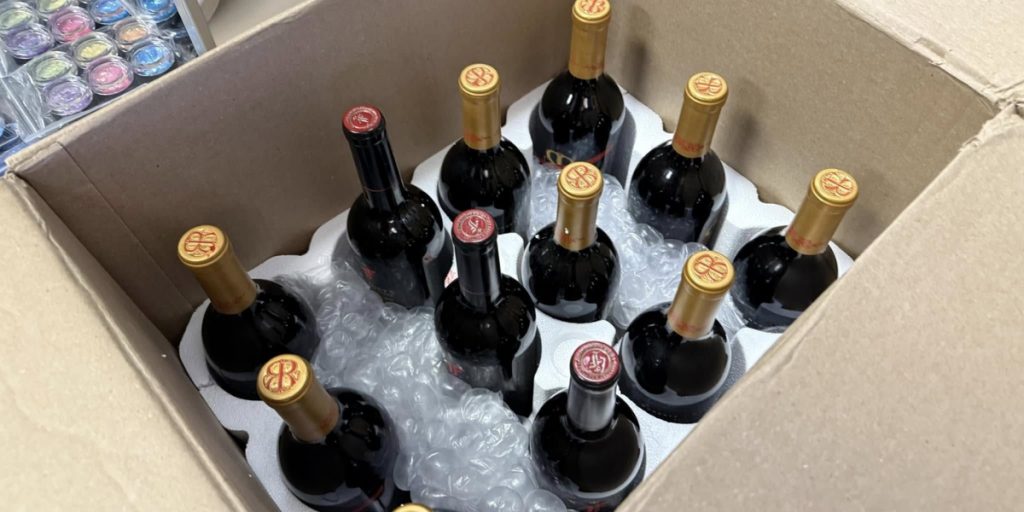
You carefully select a special bottle of wine as a gift, arrange shipping, and track the package as it moves through transit. When winter wine shipping tips are overlooked, cold exposure during transit can affect the cork, liquid expansion, and overall wine quality before delivery.
Wine can be damaged when exposed to freezing temperatures, depending on alcohol content and duration of cold exposure. Understanding how packaging, carrier handling, and transit time interact during winter conditions helps reduce the risk of spoilage.
In this guide, we’ll share seven proven strategies that protect wine from cold damage while keeping shipping costs reasonable. Whether you’re sending wine across the country or ordering wine for yourself, these tips explain how to ship more safely during the winter months.
Why Cold Weather Threatens Wine During Shipping
Understanding the science behind cold damage helps you make smarter decisions about protection. When wine freezes, it expands. This expansion creates pressure inside the bottle, which can force the cork upward or out of the neck.
Even partial cork displacement spells trouble. Once the seal breaks, oxygen rushes in and immediately begins degrading the wine. You’ll also see sediment crystallization, which permanently alters the wine’s structure and flavor profile.
But where does this damage actually happen? Most people assume it occurs during transit, but we’ve found three critical exposure points:
- Delivery trucks that lack climate control, where packages sit for hours or days
- Warehouse facilities during overnight sorting, especially over weekends
- Doorstep delivery when recipients aren’t home to retrieve packages quickly
The combination of time and temperature determines your risk level. A package sitting in a 10°F warehouse for 24 hours faces far greater danger than one passing through 25°F weather for just a few hours. This is why both packaging and timing matter equally in your winter shipping strategy.
7 Essential Winter Wine Shipping Tips
Tip #1 – Use Insulated Packaging With Adequate Thermal Protection
Standard cardboard boxes offer zero protection against freezing temperatures. You need purpose-built insulated wine shippers with at least 1.5 inches of foam or styrofoam insulation surrounding the bottles.
These specialized containers maintain internal temperatures above 45°F for 48-72 hours, even when external conditions drop to 0°F. We’ve tested dozens of packaging options over multiple winter seasons, and proper insulation is the single most effective protection method available.
Quality insulated shippers typically cost $15-25 per shipment. While this adds to your total expense, compare it to the $60-150+ cost of replacing damaged wine plus lost shipping fees. The investment makes financial sense for any bottle worth protecting.
Tip #2 – Choose Expedited Shipping to Minimize Cold Exposure
Shipping speed directly impacts cold exposure time. Ground shipping takes 5-7 days, while 2-day expedited service cuts that window dramatically. Every hour matters when temperatures hover near or below freezing.
Here’s the honest assessment: expedited shipping costs $20-30 more than standard ground service. It doesn’t guarantee temperature-controlled shipping, but it significantly reduces the time your wine spends vulnerable to cold conditions.
Consider this scenario: A customer ships a $75 bottle using ground service to save money. The package sits in a cold warehouse over a weekend, and the wine freezes. Now they’ve lost $75 plus the original $15 shipping cost. The $45 total for insulated packaging plus expedited shipping suddenly looks like the more intelligent choice.
Tip #3 – Monitor Weather Forecasts Along the Entire Shipping Route
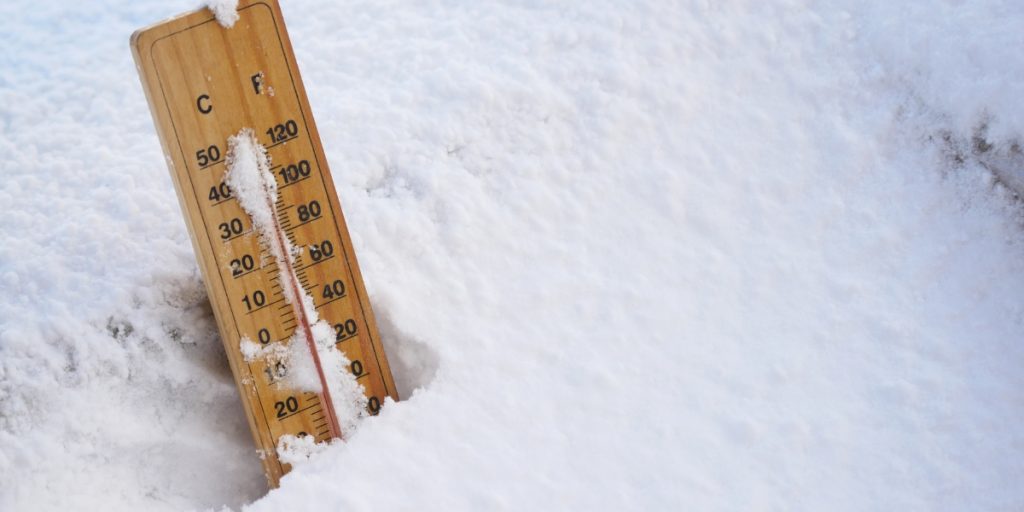
Your package doesn’t teleport from origin to destination. It passes through multiple cities, each with different weather conditions. We check the 5-day forecast for every location along the shipping route before sending wine.
Use weather apps and carrier tracking maps together. If you see sustained temperatures below 20°F anywhere on the route, you’re facing serious risk. Polar vortex events, major winter storms, or prolonged cold snaps all warrant shipping delays.
This approach takes just 5-10 minutes but prevents most weather-related damage. Professional wine shippers never ship blind, and neither should you.
Tip #4 – Ship Early in the Week for Mid-Week Delivery
Strategically timing your shipment significantly reduces the risk of cold exposure.
Why does this matter? Weekend warehouse operations slow down, and packages often sit in unheated facilities from Friday evening through Monday morning. That’s 60+ hours of potential exposure to cold.
Ship on Monday or Tuesday, whenever possible. Your wine arrives on Wednesday or Thursday, avoiding the weekend backup entirely. This simple scheduling decision costs nothing but dramatically improves your safety margin.
Tip #5 – Know Your Temperature Safety Thresholds
We use a color-coded framework to assess shipping risk quickly. Here’s how to apply it to your shipments:
Green Zone (Above 32°F): Standard shipping works with basic bubble wrap protection. Risk remains minimal at these temperatures.
Yellow Zone (20-32°F): You need insulated packaging. Consider expedited shipping for valuable bottles. Damage becomes possible without proper precautions.
Red Zone (Below 20°F): Both insulated packaging and expedited shipping become mandatory. Alternatively, delay your shipment until conditions improve.
Extreme Zone (Below 10°F or Polar Vortex Conditions): Do not ship wine regardless of protection methods. No packaging withstands these conditions reliably.
Check the lowest forecasted temperature anywhere along your shipping route, then apply these guidelines. When in doubt, choose the more protective option.
Tip #6 – Add Insurance and Enable Active Tracking
Shipping insurance costs just $2-5 but provides crucial financial protection. While it doesn’t prevent damage, it ensures you can recover your losses if the wine arrives frozen or broken.
Active tracking serves a different purpose. Real-time alerts let you monitor your package’s location and intervene if delays occur. Has your package been sitting in a cold-weather city for two days? You can contact the carrier and request expedited handling.
We recommend insurance for any bottle worth $40 or more. The minimal cost buys significant peace of mind, especially when shipping gifts or rare wines.
Tip #7 – When in Doubt, Delay the Shipment
Sometimes patience becomes your most innovative strategy. No amount of insulation protects wine during extreme weather events or polar vortex conditions lasting multiple days.
We’ve told clients to wait during severe cold snaps, even when they felt pressure to ship immediately. Not one person has regretted waiting. Many have thanked us for preventing what would have been certain damage.
Consider these alternatives when conditions look too risky:
- Wait 3-5 days for the weather to moderate above 15°F
- Ship to a business address with climate-controlled receiving areas
- Send to an intermediate location in a warmer climate, where the recipient can retrieve it later
- Hold until early spring when temperatures stabilize
Remember: damaged wine costs far more than a brief delay. Protecting your investment sometimes means exercising restraint.
Choosing the Right Protection Level for Your Shipment

How do you decide which precautions your specific shipment requires? We use a simple decision framework based on three factors: temperature, bottle value, and transit distance.
Here’s a quick scenario: You’re shipping a $30 bottle, and the forecast shows 28°F along the route. Insulated packaging plus ground shipping ($35 total) provides adequate protection. The $5 premium over the bottle’s value represents reasonable insurance.
Now consider a $100 bottle traveling through 18°F conditions. That scenario demands both insulated packaging and expedited shipping ($55 total). Yes, it’s more than half the bottle’s value, but compare it to the $100 loss plus another $15-20 in wasted shipping costs if the bottle is damaged.
Apply this rule: when your bottle’s value exceeds protection costs by 2x or more, invest in complete protection. When facing extreme conditions (below 15°F), the protection level becomes less relevant than simply waiting for better weather.
Your Winter Wine Shipping Success Checklist
Cold weather creates real risks for wine shipments, but with the right packaging, timing, and shipping strategy, those risks can be managed. Insulated materials, intelligent scheduling, and route planning make all the difference when temperatures drop.
The key is choosing the proper protection before your wine leaves the store, not after damage occurs.
Need help shipping wine during winter conditions?
Contact All American Mail Center for professional support with wine shipping. We can help you choose insulated packaging, select the best shipping method, and ship with confidence even in cold weather.