
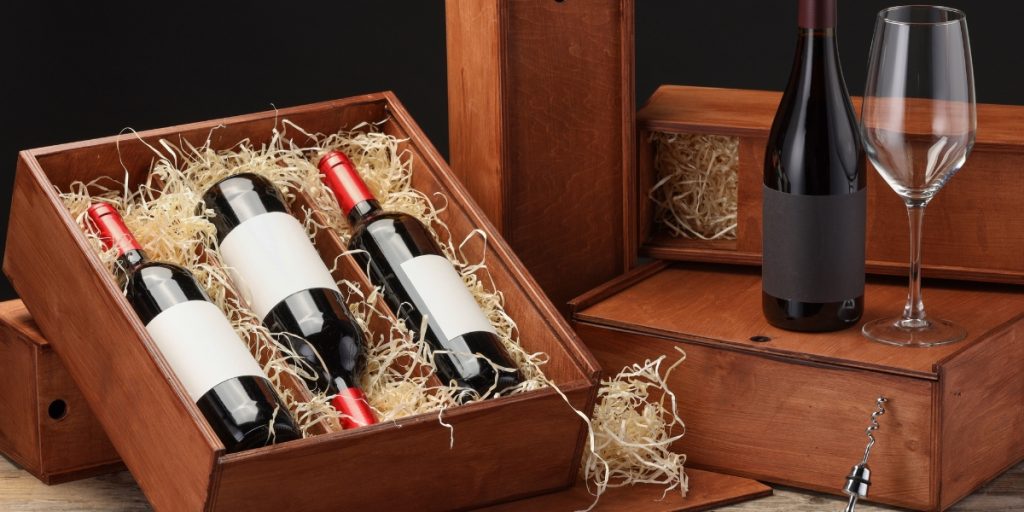
Shipping rare wines safely is a critical concern for collectors who want their bottles to arrive in the same condition they left. Understanding the risks involved in transporting high-value wine helps set the foundation for proper handling and planning.
Shipping rare wines safely requires more than basic packaging materials and standard delivery methods. Temperature exposure, improper handling, or poor timing can compromise a bottle’s quality before it ever reaches its destination.
This guide explains the essential considerations involved in transporting valuable wine securely. You’ll learn how temperature control, packaging methods, carrier selection, and insurance work together to reduce risk and protect rare bottles in transit.
Why Shipping Rare Wine Is Different From Standard Wine Delivery
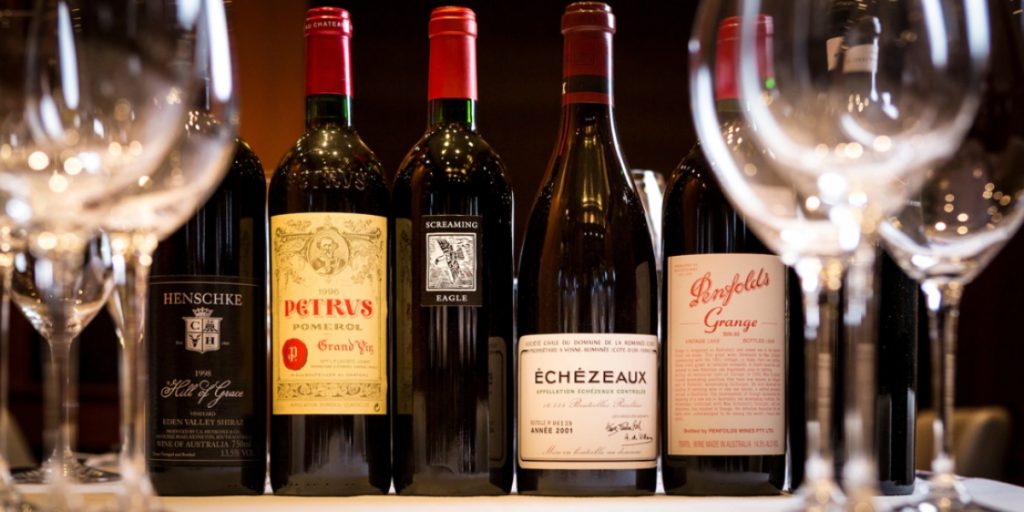
Your rare collection faces unique vulnerabilities that everyday bottles don’t encounter. Age, sediment, cork integrity, and investment value create a perfect storm of fragility.
Consider this scenario: A collector shipped investment-grade Burgundy during the June heat, assuming a three-day transit would be fine. The bottles arrived intact. Six months later, the wine showed clear heat damage – brownish color, muted aromas, and premature oxidation. The loss exceeded $8,000.
Temperature damage isn’t always immediately visible, making prevention absolutely critical.
Cork expansion from temperature swings causes seepage. Sediment disruption affects aged wines. These factors explain why shipping rare wines demands specialized approaches that protect both the physical bottle and the liquid inside.
Temperature Control – Your Wine’s Biggest Enemy During Transit
Safe Temperature Ranges and Seasonal Shipping Windows
Wine stored above 75°F for even a few hours can suffer permanent damage. The ideal shipping range stays between 55-65°F throughout the journey.
At 90°F, permanent damage can occur within 2-3 hours. Temperature fluctuations above 20°F over 24 hours cause cork to expand and contract, leading to seepage.
Seasonal windows matter significantly:
- Spring (April-May): Optimal conditions
- Summer (June-August): High-risk, express only
- Fall (September-October): Ideal window
- Winter (December-February): Freezing risk in northern regions
One widely used guideline for shipping wine is the “55–75 rule,” meaning shipments are best planned when average temperatures along the entire route fall between 55 and 75°F.
What Climate-Controlled Shipping Actually Means
Temperature-controlled shipping maintains 55–65°F throughout warehouses, vehicles, and distribution centers, protecting wine from damaging heat or cold exposure during transit.
Standard shipping offers no temperature guarantees. Insulated shipping provides temporary protection without active control. Climate-controlled maintains safe ranges with active monitoring.
Climate control adds $30-50 to base rates.
Packaging That Protects Rare Wine Bottles – And What Doesn’t Work
Professional Wine Shippers vs DIY Packaging Approaches
Standard boxes offer 2-3 G-force shock absorption. Wine-specific shippers provide 8-10 G-force protection through molded construction. This difference matters when carriers drop packages.
Consider this scenario: A collector used standard boxes and bubble wrap for a $5,000 bottle of Champagne to save money. One drop shattered two bottles, contaminating the rest. His insurance claim was denied because the packaging didn’t meet wine-shipping standards.
DIY packaging considerations:
- Cost savings of $10-20 versus a professional
- Works for $100-300 bottles with proper execution
- Requires precise adherence to industry standards
Professional packaging advantages:
- ISTA 3A testing protocol compliance
- Insurance claim acceptance
- Peace of mind for high-value shipments
For scarce wines, professional packaging removes variables you can’t afford to have.
Step-by-Step Packaging Best Practices
Proper packaging requires attention to details that work together as a protective system.
Follow this process:
- Stabilize bottles 24 hours at 55-60°F before packing
- Position horizontally with labels up
- Wrap individually with 2+ layers of protection
- Maintain a 2-inch minimum cushioning on all sides
- Fill voids so nothing moves when shaken
- Reinforce seams with quality tape
- Label clearly with “FRAGILE” and orientation markers
- Document condition with photos before sealing
Horizontal positioning is commonly recommended for shipping wine, as it helps keep bottles stable and reduces movement during transit.
Choosing the Right Shipping Carrier – Decision Framework
Standard Carriers vs Specialized Wine Shipping Services
Shipping carriers vary in their handling procedures, insurance options, and claims processes, which directly affect how wine shipments are managed during transit.
Standard carriers offer:
- Wide availability and competitive pricing
- Limited wine-specific expertise
- Standard liability caps around $100
- No temperature guarantees
Specialized wine shipping providers, such as All American Mail Center, offer services designed specifically for high-value bottles, including:
- Climate-controlled transportation options
- Wine-specific packing and handling protocols
- Higher insurance limits and more transparent claims processes
- Proper alcohol shipping compliance and documentation
Standard carriers may be suitable for wines valued under $300. For rare, collectible, or investment-grade bottles, working with a specialized wine shipping provider significantly reduces risk and protects both the wine and its value.
Red Flags and Green Flags When Selecting Carriers
Watch for red flags:
- No alcohol license
- Vague handling promises
- Suspiciously low pricing
- No temperature guarantees
Look for green flags:
- Wine-specific training programs
- Climate-controlled fleet with documentation
- Transparent insurance options
- Established claim process
Always verify current capabilities directly before committing your valuable bottles.
Insurance Essentials – Don’t Ship Rare Wine Without It

Declared Value vs Replacement Cost Insurance Explained
Many collectors confuse two coverage types, resulting in inadequate protection.
Declared value: The amount you state, which establishes the carrier’s maximum liability, typically capped at $100-500.
Replacement cost insurance: Full coverage based on current market value, usually 2-3% of declared value, requires documentation.
You need both. Declare the full value, then purchase replacement-cost insurance. Proper documentation, including photos and value records, is an important part of the insurance claims process for wine shipments.
Use the current replacement cost from wine-searcher.com or auction results.
What It Costs and When It’s Worth It
Insurance typically runs 2-3% of the declared value. For a $2,000 bottle, expect $40-60 for proper coverage.
Insurance becomes essential for bottles valued at $500 and above. Would you risk a $2,000 loss to save $50?
Shipping insurance does not prevent damage, but it can help address the financial impact if a covered loss occurs during transit.
What Safe Rare Wine Shipping Actually Costs
Complete transparency helps you budget appropriately and avoid surprises.
Standard cost breakdown:
- Base shipping (ground, per case): $50-75
- Climate control upgrade: +$30-50
- Express 2-day shipping: +$40-60
- Insurance at 2-3%: Variable
- Professional packaging: $20-40
Real example: Shipping a $2,000 bottle safely requires express ($60), insurance ($60), and packaging ($35) for roughly $155 total – about 7.75% of wine value.
Common Mistakes That Damage Rare Wine Shipments
Experience shows us the errors collectors repeatedly make, even those with years of collecting experience.
Critical errors to avoid:
- Shipping during temperature extremes – Causes the majority of quality damage
- Using inadequate packaging – Risks thousands to save $20
- Underinsuring or skipping insurance – Most expensive mistake
- Choosing carriers without wine expertise – Lack proper protocols
- Failing to document condition – Makes claims impossible
- Not requiring a signature – Leads to theft or exposure
Protect Your Collection With Confidence
To safely ship wine, especially rare and expensive bottles, requires more than bubble wrap and hope. Temperature control, proper packaging, carrier selection, and insurance all play a critical role in protecting bottles that cannot be replaced.
If you are planning to ship valuable wine, we can help you do it the right way. We provide professional wine shipping boxes, packing support, and guidance on carrier options to reduce risk during transit. Whether you are sending a single high-value bottle or an entire case, we help ensure your wine is packed correctly and ready for safe transport.
Contact All American Mail Center to get expert assistance before your next shipment. When it comes to rare wine, proper preparation makes all the difference.