
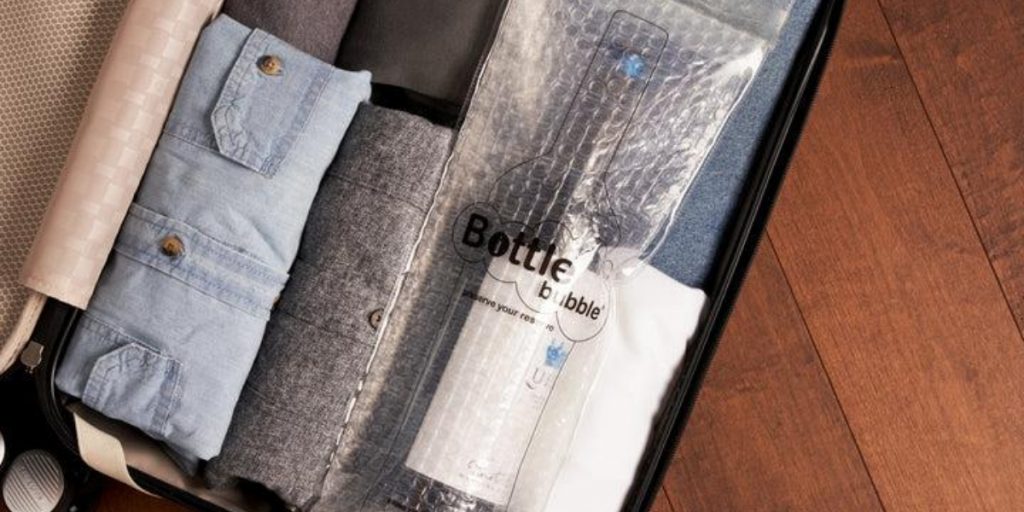
You may find special bottles during your travels and need to decide between flying with wine and shipping wine when bringing them home. This decision involves understanding airline policies, shipping regulations,s and how each method affects the condition of the wine.
While it may seem straightforward, each option presents different considerations regarding safety and transit conditions. Factors such as packaging temperature exposure and travel duration all influence which approach is more suitable.
In this guide, we explain how both methods work and what to expect with each option. It will help you choose the most appropriate way to transport wine based on your travel plans and priorities.
Flying With Wine – What the Rules Actually Allow (And What to Watch Out For)
Flying with wine is legal, and the rules are less restrictive than most travelers assume. The TSA sets no federal bottle limit for wine in checked baggage. Wine typically falls below 24% ABV, which exempts it from the strict quantity caps that apply to spirits. Your airline sets its own policies, and those vary by carrier, so always confirm before you travel.
That said, a few rules apply universally:
- Wine must travel in checked baggage, never carry-on; liquids over 3.4 oz are not permitted through security
- Standard airline baggage weight limits still apply; six 750ml bottles add approximately 16 pounds to your checked bag
- Overweight bag fees can apply before you pack a single shirt alongside your bottles
The Risks You Cannot Ignore – Breakage, Temperature, and Hidden Costs
The real danger of flying with wine is not the rules. It is the risks most travelers overlook until something goes wrong.
Cargo hold temperatures on commercial aircraft can range from below freezing to over 100 degrees Fahrenheit, with the highest exposure occurring during extended ground delays rather than in-flight. A summer afternoon tarmac wait in Dallas or Phoenix can push temperatures to levels that compromise a cork, accelerate aging, or cause outright spoilage, even on a two-hour flight.
Here is a quick scenario: a traveler packs four bottles of a small-production Cabernet Sauvignon in clothing after a California wine trip and checks them through on a summer flight with a two-hour connection. Two bottles arrive intact. One cork has pushed, producing unmistakable heat damage. One bottle has leaked, saturating everything in the bag. The replacement cost of those two bottles, combined with dry-cleaning fees, exceeds what professional shipping would have cost for the entire four-bottle purchase.
A single broken mid-range bottle priced between $40 and $60, plus collateral damage to clothing and luggage, can easily surpass the cost of shipping that same bottle professionally. That math changes everything about which option feels “affordable.”
How to Pack Wine in a Suitcase the Right Way
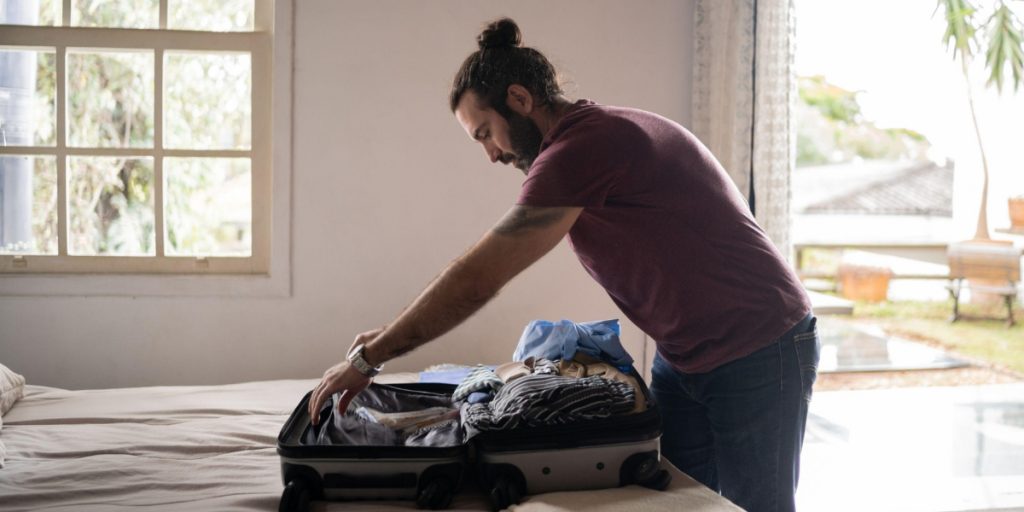
If flying with your wine makes sense for your trip, packing correctly is non-negotiable. We have found that a quality wine skin or inflatable wine protector, combined with careful placement, dramatically reduces the risk of breakage compared to the clothing-wrap method most travelers default to.
Follow these steps when you pack:
- Wrap every bottle individually in a wine skin or inflatable sleeve; clothing alone is not reliable protection
- Place bottles in the center of your suitcase, with soft layers on all six sides
- Keep bottles away from corners and edges, where luggage impact concentrates
- Position the wine upright when possible, or on its side only when the bag requires it
A wine skin is a puncture-resistant, leak-proof sleeve built specifically for wine travel. Even when a bottle breaks, a good wine skin contains the damage and protects everything around it. It is a small investment that earns its value the first time something goes wrong.
Shipping Wine – The Safer Option for Serious Travelers
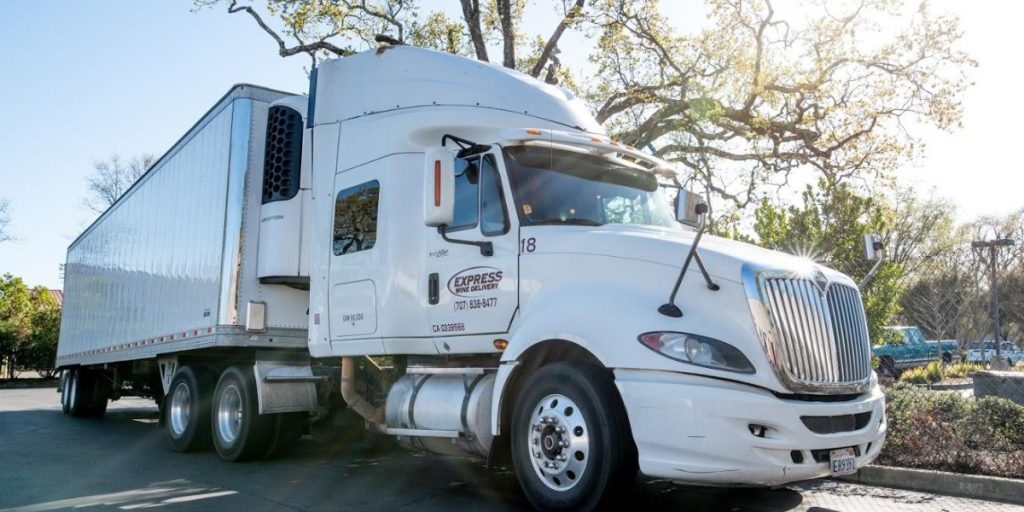
For larger quantities, high-value bottles, or warm-weather travel, shipping wine is a significantly lower-risk approach. Specialized wine shippers use temperature-controlled vehicles, climate-managed warehouses, and purpose-built packaging throughout the entire shipping chain. Standard carriers like FedEx or UPS do not provide temperature protection by default; you must specifically select and pay for it, and even then, the standards differ.
Wine professionals consistently choose specialized shipping for bottles that matter. That is not marketing; it reflects a real and meaningful difference in how wine is handled from pickup to delivery.
Before you book a shipment, check one critical detail: wine cannot legally be shipped to every U.S. state. Shipping laws are governed at the state level, not federally, and many states still restrict or prohibit direct-to-consumer wine shipments. Verify current regulations for your destination before arranging anything; these laws change regularly, and what was permitted last year may not apply today.
Does the cost of specialized shipping give you pause? Consider this: shipping is the only option that offers declared-value coverage for your bottles. Flying with wine offers no such protection if something goes wrong in the cargo hold.
Flying With Wine vs Shipping Wine – The Side-by-Side Breakdown
| Factor | Flying With Wine | Shipping Wine |
| Cost (1-2 bottles) | Lower overall | Higher per bottle |
| Cost (6+ bottles) | Baggage fees add up fast | More economical at volume |
| Breakage Protection | Moderate — packing dependent | Superior |
| Temperature Safety | Variable — route and season dependent | Controlled options available |
| Convenience | Immediate possession | Lead time required |
| Legal Simplicity | No state restrictions | State laws vary |
Which Option Is Right for You?
After working through this decision with wine travelers across many scenarios, we have found three profiles that reliably point to the right answer.
Fly with your wine if you are carrying one or two bottles of modest value on a short domestic flight during cooler months, and you pack them properly using a wine skin. The convenience and economics favor flying at low volumes when the risk of temperature-related issues is minimal.
Ship your wine if you are moving four or more bottles, traveling during summer, carrying valuable or irreplaceable bottles, or routing through multiple airports. The protection and reliability of professional shipping justify the cost at this level.
Consider a third option entirely if you purchased wine directly at a winery; ask whether they offer direct shipping to your home state. Many wineries handle this for you, which removes the transport decision completely and often gets your wine there in better condition than either alternative.
Which of these profiles sounds like your situation?
Getting Your Wine Home Safely Starts With One Smart Decision
Choosing between flying with wine and shipping wine comes down to risk, value, and convenience. While carrying bottles in your luggage may work for small quantities, factors like temperature exposure, breakage, and airline restrictions can quickly turn a simple plan into a costly mistake.
For larger purchases or valuable bottles, professional shipping offers greater protection, controlled handling, and peace of mind when shipping rare wines safely from pickup to delivery. The right decision ensures your wine arrives in the same condition you discovered it.
Need help shipping wine safely from your trip?
Contact All American Mail Center to handle your wine shipping with care. We provide secure packaging, reliable shipping options, and expert guidance so your bottles arrive home exactly as intended.
Frequently Asked Questions About Flying and Shipping Wine
Can you bring wine on a plane in your carry-on?
No. TSA rules prohibit liquids over 3.4 ounces in carry-on baggage from passing through security checkpoints. All wine must travel in checked luggage, properly packed.
How many bottles of wine can you fly with?
The TSA sets no federal bottle limit for wine in checked bags; your airline’s baggage weight policy is the practical constraint. Most travelers find that six bottles push standard weight limits before other luggage is added.
Is it safe to ship wine in summer?
Yes, with the right shipper. Choose a wine-specialized service that offers temperature-controlled shipping during warm months and avoid standard ground shipping in summer without climate protection. Heat is the primary threat to wine quality in transit, and uncontrolled summer ground shipping is a genuine risk.