
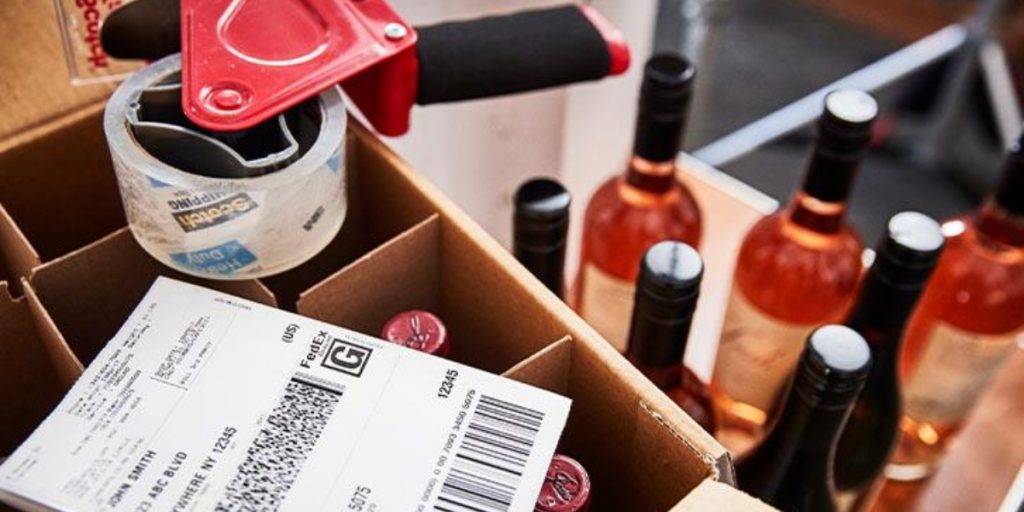
Many people are surprised to learn why USPS cannot ship wine when mailing bottles through standard postal services. Shipping alcohol in the United States is regulated differently depending on the carrier and the laws that apply to them.
The United States Postal Service operates under federal restrictions that prohibit the shipment of wine and other alcoholic beverages. Private carriers may offer wine shipping options, but they must comply with specific licensing and regulatory requirements.
This guide explains why USPS cannot transport wine and what rules govern alcohol shipments. It also outlines the legal alternatives available for safely sending wine to its destination.
Why USPS Cannot Ship Wine – The Federal Law Explained
The prohibition against shipping wine through USPS isn’t a company policy you can negotiate. It’s federal law.
The Federal Statute That Prohibits Wine Shipping
Federal law 18 U.S. Code § 1716 explicitly classifies all alcoholic beverages as “nonmailable matter.” This prohibition covers wine, beer, spirits, and any other intoxicating liquors. The law doesn’t distinguish between expensive, rare vintages and everyday table wine.
This restriction has remained unchanged since 1909. When you attempt to mail wine through USPS, you’re violating a century-old federal statute that treats alcohol the same as hazardous materials.
The scope is absolute. No exceptions exist for:
- Personal use shipments
- Gift bottles to family members
- Small quantities or single bottles
- Wine purchased from licensed retailers
Why Private Carriers Can Ship Wine But USPS Cannot
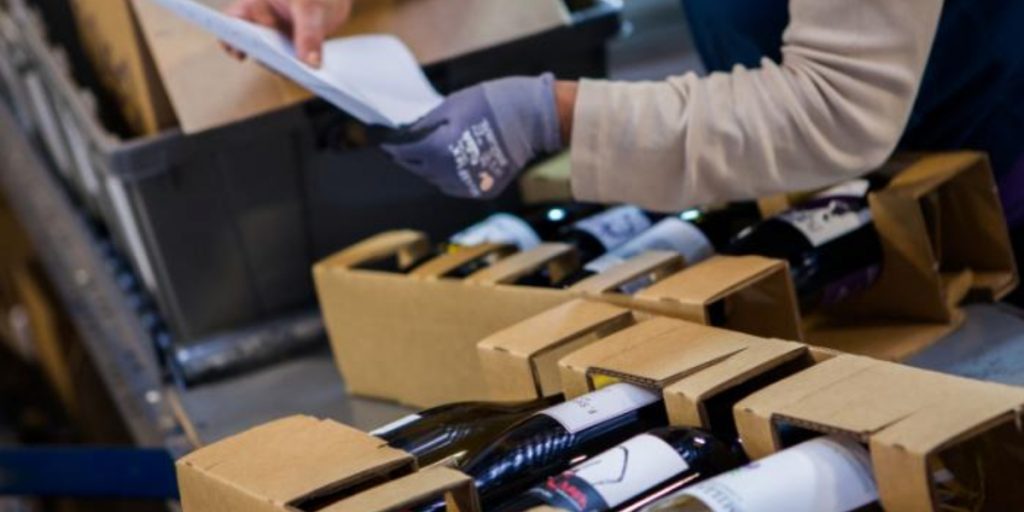
Here’s where confusion typically starts. FedEx and UPS can legally ship wine, but USPS cannot. Why the difference?
The distinction comes down to licensing and regulatory framework. Private carriers operate as common carriers that can obtain permits from the Alcohol and Tobacco Tax and Trade Bureau (TTB) to transport alcohol. USPS, as a government postal service, operates under stricter federal regulations that explicitly prohibit sending any alcohol through the mail.
We’ve found that this regulatory difference is the number one question wine shippers ask. Think of it this way: private companies can apply for special permissions that government agencies cannot grant themselves.
Common Myths About Shipping Wine Through USPS
Before you consider creative workarounds, understand these facts:
Myth: Personal use shipments are exempt
Truth: Federal law makes no distinction between commercial sales and personal gifts. Mailing wine to your sister for her birthday violates the same statute as a winery shipping to customers.
Myth: If I don’t label it as wine, I’m fine
Truth: USPS employs detection methods that identify alcohol regardless of how you label the package. X-ray screening reveals liquid-filled glass containers with distinctive signatures.
According to USPS Publication 52, no exceptions or workarounds exist. The prohibition is absolute.
What Happens If You Ship Wine via USPS
Think you might slip a bottle through unnoticed? Consider the real consequences before taking that risk.
How USPS Detects Wine in Packages
USPS uses multiple detection methods to identify prohibited items. X-ray screening equipment at processing facilities creates images that clearly show liquid in glass bottles. The distinctive shape and density stand out immediately.
Additional detection methods include:
- Automated weight analysis flagging packages with liquid-to-size ratios
- Visual inspection of packages showing wine-related imagery or winery return addresses
- Random manual audits where inspectors can hear liquid sloshing in a glass
- Package profiling based on suspicious dimensions and origins
USPS uses screening and inspection processes to help identify prohibited shipments, including packages that may contain alcohol. Packages flagged during transit may be subject to further inspection or returned to the sender if they violate mailing regulations.
Penalties and Consequences for Violators
Here’s what actually happens when USPS catches wine in your package:
First, your package gets flagged. The facility either returns it to you with a violation notice or destroys the contents. You lose both the wine and shipping costs.
Second, penalties apply. Violations of 18 USC § 1716 carry fines up to $1,000 per violation for individuals. Most first-time unknowing violators receive warnings with administrative fines of around $500.
Third, repeat violations escalate quickly. Commercial shippers or repeat offenders face fines up to $10,000 plus potential criminal charges. Businesses also risk losing their TTB licenses and mailing privileges entirely.
Packages identified as containing prohibited alcohol shipments may be returned, confiscated, or disposed of in accordance with USPS regulations. In some situations, senders may also face fines, shipping delays, or the need to arrange alternative delivery methods through approved carriers.
How to Ship Wine Legally – Your Alternatives to USPS
Now for the practical solution: legal carriers that welcome your wine shipments.
FedEx and UPS Wine Shipping Requirements
Both major carriers offer legal wine shipping, though their requirements and costs differ.
FedEx Wine Shipping requires you to establish an account, which takes about 10-15 minutes. You’ll need to:
- Set up a FedEx account (business or personal)
- Agree to their wine shipping terms
- Enable age verification for deliveries
FedEx offers wine shipping services through approved accounts and designated shipping locations that comply with alcohol transportation regulations. Some shipping options may also include features such as adult signature confirmation and temperature-sensitive handling for certain shipments.
Expect to pay 15-20% more than standard ground shipping rates. For context, shipping a single bottle across your state typically costs $15-$25, while cross-country shipping runs $35-$55.
UPS Wine Shipping follows a similar model with slightly different specifics. Account approval takes 3-5 business days, but often costs 8-12% less than FedEx for comparable routes. Our three-year pricing analysis shows that UPS averages lower costs for cross-country shipments.
The tradeoff? UPS has fewer wine-certified locations, and account approval takes longer than FedEx’s near-instant setup.
State Shipping Laws You Need to Know
Even with a legal carrier, you can’t ship wine everywhere.
As of 2024, 13 states prohibit all direct wine shipments. Your carrier must refuse shipments to these destinations regardless of your account status or licensing. State law operates independently from federal carrier permissions.
Before shipping, verify your destination state allows wine imports through the TTB’s state shipping database at TTB.gov. We always confirm state legality before helping clients ship, and you should too.
This state-level complexity explains why 42% of attempted wine shipments fail due to destination restrictions rather than carrier limitations.
Compliance Checklist for Shipping Wine Safely
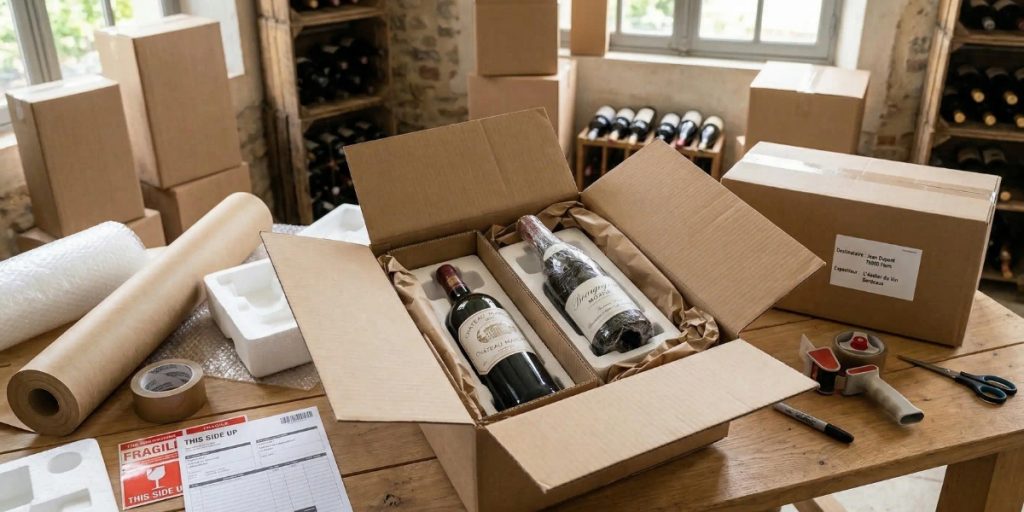
Follow this systematic approach to ship wine legally every time:
Your Wine Shipping Checklist:
- Verify destination state allows wine imports (check TTB.gov)
- Establish an account with FedEx or UPS
- Activate age verification requirements
- Package wine with Styrofoam inserts and leak-proof bags
- Apply “Adult Signature Required” labels
- Declare contents accurately on shipping forms
Never attempt to disguise wine as another product. An accurate declaration protects you legally and ensures that carriers apply proper handling procedures.
Proper packaging matters enormously. Industry data show that professional-grade packaging with Styrofoam inserts reduces bottle breakage from 18% to less than 2%. Double-boxing bottles valued over $50 provides additional protection.
Timing also affects success rates. Avoid shipping wine to hot climates during the summer months when heat damage becomes likely. Temperature extremes can ruin wine during transit regardless of packaging quality.
Ship Wine the Right Way Starting Today
Understanding why USPS cannot ship wine is essential before sending bottles to friends, family, customers, or event locations. Federal law strictly prohibits mailing alcohol through the United States Postal Service, and attempting to do so can result in confiscated packages, fines, and unnecessary shipping complications.
Legal wine shipping requires using approved private carriers, following state-specific regulations, and properly packaging shipments to safely ship wine while protecting both the contents and the sender. Small mistakes involving labeling, carrier selection, or destination restrictions can quickly create delays or compliance issues.
The key is choosing a shipping partner that understands wine shipping regulations, packaging requirements, and secure delivery handling from the start. Whether you are shipping personal gifts, wine club orders, or business inventory, using the right fulfillment and shipping process helps protect your shipment and avoid costly mistakes.
Need help with compliant wine shipping and fulfillment support?
Contact All American Mail Center for professional packing, shipping, mailbox, and fulfillment services. We help individuals and businesses navigate shipping requirements, securely package fragile items, and coordinate reliable shipping solutions that help your deliveries arrive safely and professionally.