
Quick Answer: The best way to move a wine collection safely is to inventory your bottles, pack them in specialized wine shipping boxes with protective dividers, and use temperature-controlled transportation to prevent heat damage and breakage. Keep wine at a consistent temperature, ideally around 55°F, and consider wine shipping insurance for valuable bottles. After moving, inspect each bottle for damage and allow the wine to rest before opening. For large or expensive collections, professional wine shipping services can help ensure safe handling and delivery.
One afternoon in a hot truck can undo years of careful collecting. If you plan to move a wine collection, heat, vibration, and rushed packing can quietly damage both flavor and value.
We have guided collectors through wine moving for years, and the pattern holds. Bottles rarely fail because of one dramatic accident. They fail because of small gaps in planning.
This guide shows you how to move a wine collection safely, from inventory to arrival. You will learn how to pack, control temperature, and insure your bottles. Would you trust a standard truck with a bottle you cannot replace?
Why Moving a Wine Collection Is Riskier Than Moving Furniture
A sofa shrugs off a hot afternoon. A bottle does not. Wine reacts to its surroundings, and a move changes those surroundings for hours or days.
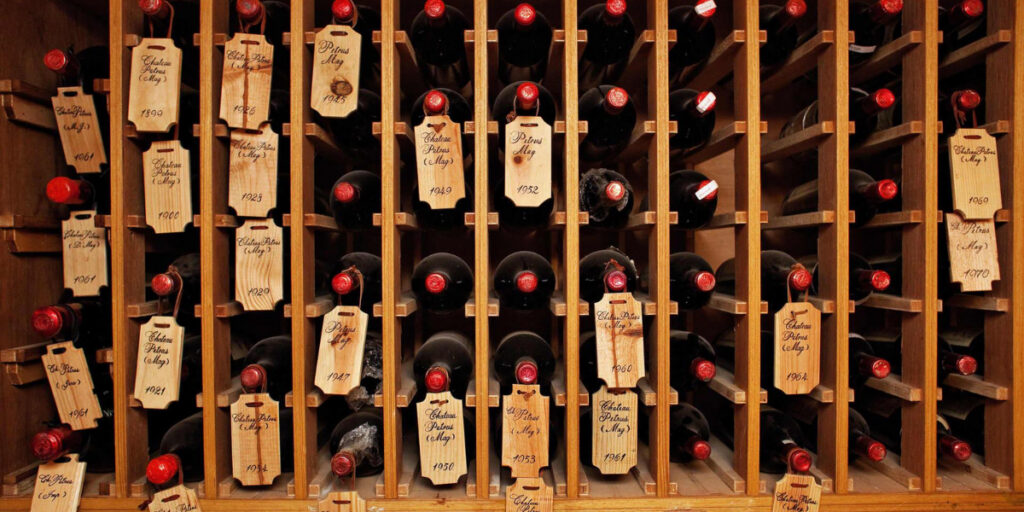
Think of your cellar as a savings account. Heat withdraws years of value in a single afternoon, and you cannot deposit it back. Two terms matter here:
- Cooked wine is wine damaged by heat, often tasting flat or stewed.
- Bottle shock is a temporary muting of flavor after rough handling.
Wine generally stores well between 45 and 65°F (7 to 18°C), and many collectors aim near 55°F. Sustained temperatures above the mid-70s°F quickly raise the risk of heat damage.
Here’s a quick scenario. A collector loads 60 bottles into a rental truck on a July afternoon. The truck idles in traffic for hours, and several corks creep upward. The collector moves the remaining bottles into a temperature-controlled vehicle, and they arrive stable.
Plan around temperature before you plan around breakage.
Inventory Your Bottles and Choose Your Moving Method
An inventory turns a stressful move into a manageable project. It also guides every later decision, from packing to insurance. Which bottles would you struggle to replace?
Build Your Inventory and Sort by Risk
- Photograph each label and capsule.
- Log the producer, vintage, and estimated value.
- Sort bottles into three groups: high value, everyday, and drink-before-the-move.
Drinking or gifting bottles first lowers both cost and risk.
Next, use that inventory to choose your method. DIY works for small, lower-value collections moving short distances in mild weather. Professional wine movers suit larger or valuable collections, long distances, and extreme seasons. Professionals cost more, and we say so plainly. The extra cost covers temperature control, trained handling, and coverage.
Here’s a quick scenario. A collector with 300 cellar-aged bottles plans an August move and considers a standard truck. The inventory shows the collection’s value far outweighs the cost of climate-controlled transport. The collector books it, and every bottle arrives as logged.
Match your method to the value and the distance.
Pack Wine Bottles for Moving – Cushion, Separate, Label
Rushed packing causes more damage than rough roads. We have found that breakage often starts at the packing table. To pack wine bottles for moving, gather:
- Wine shippers or sturdy boxes with dividers
- Foam or molded pulp inserts
- Tape and “fragile – wine” labels
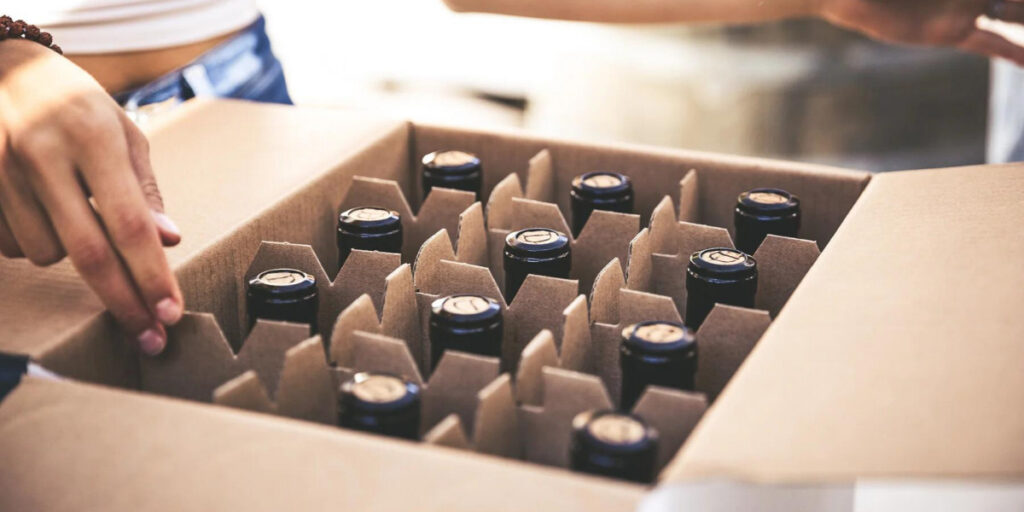
Give each bottle its own slot so glass never touches glass. Keep boxes light enough to lift safely. Shippers hold bottles upright or on their sides depending on design, so follow the box you use. Also add extra padding for large formats and older bottles.
Here’s a quick scenario. A collector packs 12 bottles into a recycled liquor box with no dividers. A pothole sends two bottles into each other, and one cracks. The collector repacks the rest in divided shippers with foam inserts, and they arrive intact.
Give every bottle its own space, and the road matters far less.
Keep Wine at a Safe Temperature During Transport
Door-to-door temperature control works like a relay race. One dropped baton, such as an hour in an unconditioned truck, ends it.
Temperature-controlled wine transport holds bottles in a steady range from pickup to delivery. Regular trucks cannot promise that, and summer heat and winter cold both cause damage, as Decanter emphasized in its deep dive into temperature stability.
A typical table wine can begin to freeze between roughly 15 and 25°F, depending on alcohol content. Freezing can push corks out or crack glass, which matters as winter approaches.
Here’s a quick scenario. A collector plans a December move and leaves cases on a porch overnight. Temperatures fall below freezing, and two corks push out. The collector now books a heated vehicle and indoor storage, and the bottles stay sealed.
Control temperature at every handoff, not just on the road. Industry standards outlined in GuildSomm transport and storage temperature benchmarks show that keeping temperature within threshold ranges prevents irreversible molecular degradation.
Moving Wine in Your Own Car
Keep bottles in the cabin, not the trunk. Keep trips short, and never leave wine in a parked car.
Plan for the Gap Between Homes
If your new cellar is not ready, the best way to store wine during the transition is to arrange climate-controlled storage that maintains a consistent temperature. Book early, as storage facilities can fill up during peak moving months
Insure Your Wine and Let It Rest After the Move
Standard mover liability is often based on weight, not the value of your bottles. What would it cost to replace a bottle you cannot find again?
Ask about declared-value or wine-specific coverage, and keep your inventory and photos ready for any claim.
Here’s a quick scenario. A collector ships 40 bottles under a weight-based plan, and one case arrives broken. The payout covers only a fraction of its value. The collector now declares each bottle’s value and keeps a photo inventory, so any future claim reflects true worth.
How Long Should Wine Rest After a Move?
Many collectors rest bottles for a few days to a few weeks, and views differ by wine. On arrival, check each cork, label, and fill level against your inventory before you stock the cellar.
Document first, then rest.
Protect Your Wine Collection During Your Next Move With Expert Shipping Support
Moving a wine collection requires careful planning to protect your bottles from breakage, temperature fluctuations, vibration, and improper handling. Whether you are relocating a small personal collection or transporting valuable, cellar-aged wines, proper packaging and shipping arrangements can help preserve the quality and value of every bottle.
The right approach depends on your collection’s size, bottle formats, destination, weather conditions, and shipping requirements. Working with an experienced wine shipping company can help you select protective packaging, coordinate transportation, and reduce the risk of damage or unnecessary delays during your move.
Need help safely shipping your wine collection to a new location?
Contact All American Mail Center today to discuss your wine collection shipping needs. We help Napa Valley wine collectors, wineries, and wine enthusiasts with professional wine packaging, specialty bottle protection, domestic and international wine shipping, carrier coordination, tracking assistance, and temperature-controlled shipping options so you can move your wine collection with greater confidence and peace of mind.